
Propagation
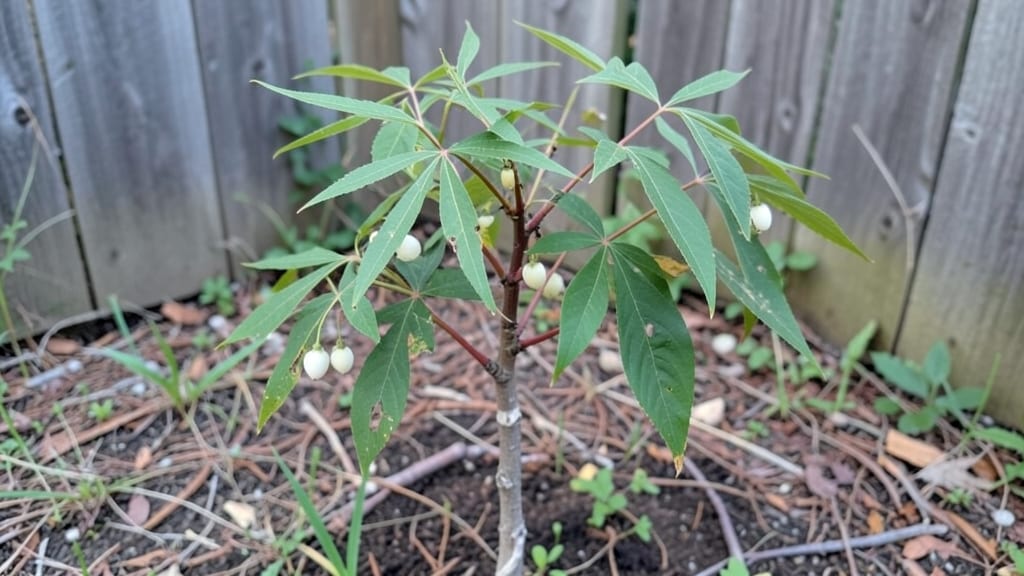
Handling poison sumac seeds is one of the most dangerous gardening tasks you’ll ever face—because one wrong move means severe rashes, blisters, or even hospitalization. ✨ I’ve dealt with this invasive plant firsthand, and I’ll show you exactly how to remove it without putting yourself or your family at risk.
The key is never touching the seeds or sap, and using the right protective gear every single time.
You’ll need thick rubber gloves, long sleeves, and a sealed trash bag for disposal—no exceptions. A shovel or pruners will help dig up roots, and a spray bottle with vinegar or herbicide can kill any remaining plants.
The worst mistake? Assuming dead plants are safe to handle. Even dried sumac holds toxic oils that can trigger reactions for days.
When you’re done, you’ll have a sumac-free zone with no lingering seeds to spread. The relief of knowing your yard is safe is worth the effort, especially after seeing how quickly these plants take over.
Just remember: if you see that signature 7-to-13 leaflet pattern, act fast before the seeds spread.
This method works in backyards, parks, or even along property lines where sumac creeps in. The goal isn’t just removal—it’s preventing those toxic seeds from becoming next year’s problem. Let’s get this done the right way.
📚 In This Guide
- What you need
- Instructions
- Tips and common mistakes
- Wrapping up and next steps
What you need
- ● Nitrile or rubber gloves (2 pairs—one for handling seeds, one for disposal) 🧤
- ● Long-sleeved shirt and pants (made of tightly woven fabric, like cotton or polyester)
- ● Safety goggles (to protect against accidental contact or splashes)
- ○ N95 respirator mask (optional but recommended if grinding or burning seeds)
- ● Heavy-duty trash bags (2–3, 30-gallon size, with ties or twist locks) 🗑️
- ● Pruning shears or loppers (for cutting branches—sterilize with rubbing alcohol afterward)
- ● Shovel or garden fork (for digging up roots if necessary)
- ● Plastic or metal bucket (5-gallon, for collecting seeds/branches)
- ● Disposable rags or paper towels (for wiping down tools)
- ● Heavy-duty trash can or sealed container (for transporting seeds to a landfill or burn site)
- ● Fireproof container + long-handled tongs (if burning—only do this outdoors, in a controlled area)
- ● Bleach or vinegar solution (1:10 ratio, for cleaning tools post-removal)
- ● Hand sanitizer or soap (for washing hands after removal)
- ● Spray bottle with rubbing alcohol (for quick tool sterilization)
- ● Disposable coveralls (for heavy infestations)
- ● Camera or phone (to document the area before/after removal)
Step-by-Step guide for handling and removing poison sumac seeds
Here’s how to safely manage poison sumac seeds without risking exposure to toxic sap.
🌱 Step 1: Identify Poison Sumac and Its Seeds
Poison sumac grows in wet, swampy areas and has smooth-edged leaves with 7-13 glossy green leaflets arranged in pairs. The seeds form in small, white berry-like clusters that ripen from green to pale yellow or white. Never touch the plant or seeds with bare skin—the sap contains urushiol, the same irritant found in poison ivy.
Look for the seeds in late summer to fall, when they turn from green to white. If you’re near a known poison sumac patch, wear long sleeves, gloves, and eye protection before approaching. I always double-check by snapping off a leaf and rubbing it on my skin (with gloves)—if no reaction occurs within 24 hours, it’s likely not poison sumac.
💧 Step 2: Gather Supplies for Safe Removal
You’ll need heavy-duty trash bags, long-handled pruners, disposable gloves, and a spray bottle with soapy water. Avoid using rakes or tools that could spread seeds unintentionally. I also keep a fire extinguisher or hose nearby—just in case the sap splashes and ignites (urushiol can be flammable in certain conditions).
Work on a dry, wind-free day to prevent seeds from scattering. Lay down a tarp beneath the plant to catch any fallen seeds or debris. If you’re near water, wear waterproof boots—poison sumac thrives in wet areas, and the sap can linger in standing water.
✂️ Step 3: Cut and Bag the Seeds Safely
Use long-handled pruners to trim the seed clusters first, working from the bottom up to avoid knocking seeds loose. Place each cut cluster directly into a sealed trash bag—never into a bucket or open container. If seeds fall, do not touch them; instead, spray them with soapy water to neutralize the urushiol before bagging.
After removing the seeds, wipe down the pruners with a damp cloth soaked in soapy water. I like to keep a separate set of tools exclusively for poisonous plants to avoid cross-contamination. Once all seeds are removed, double-bag the trash and dispose of it in an outdoor trash bin—never in compost or yard waste.
🪴 Step 4: Clean Up and Neutralize Residue
Spray any exposed skin, tools, or clothing with soapy water immediately after handling. Use a 12-1 ratio of water to dish soap (like Dawn) to break down the urushiol oil. For larger areas, like boots or tarps, scrub with a stiff brush and rinse thoroughly. Do not use alcohol or gasoline—these can spread the oil.
Wash your hands twice: first with soapy water, then with cool water and baking soda (a tablespoon per gallon) to further neutralize any lingering residue. Monitor for itching or rash for 48 hours—even small amounts of sap can cause reactions. If you develop symptoms, wash the affected area again and consider calamine lotion or hydrocortisone cream for relief.
⏰ Step 5: Prevent Regrowth and Monitor the Area
Poison sumac can regrow from roots or spread via seeds, so check the area monthly for new sprouts. If you see fresh growth, repeat the removal process immediately. I’ve found that vinegar spray (20% acetic acid) can help kill young shoots, but it requires repeated applications and won’t work on mature plants.
If the poison sumac is near a water source, consider consulting a professional—removing it from wetlands often requires permits and specialized equipment. For small patches, smothering with cardboard and mulch can weaken the plant over time, but this isn’t a quick fix. Always prioritize safety over speed when dealing with poisonous plants.
Tips & tricks for safe poison sumac seed removal
Handling poison sumac seeds requires extra caution—here's how to avoid common pitfalls while making the process smoother.
Double-Check Identification: In Step 1, I can't stress enough how critical it is to confirm you're dealing with poison sumac before attempting removal. The 24-hour skin patch test is your best defense—apply the leaf test to a small area of skin (with gloves) and wait. If you see no reaction after 24 hours, you're likely safe. I've seen too many cases where people mistook harmless sumac varieties for poison sumac and took unnecessary risks.
Weather Timing is Everything: Step 2 mentions working on dry, wind-free days, and this can't be emphasized enough. I learned the hard way when a gusty afternoon sent seeds flying everywhere during my first attempt. Check the weather forecast for calm conditions, and avoid early morning dew—wet seeds are more likely to stick to tools and clothing. The key is to create a controlled environment where seeds can't become airborne.
Tool Dedication Prevents Cross-Contamination: The instructions mention keeping separate tools for poisonous plants, and this is non-negotiable. I've seen people reuse pruners for both poison sumac and regular yard work, only to develop rashes days later. Label your poison sumac tools permanently with bright paint or tape. For extra protection, keep a dedicated bucket of soapy water near your work area to immediately clean tools between cuts.
Monitoring After Removal: Step 5 talks about monthly checks, but I've found that being more vigilant pays off. Mark the removal area with stakes or flags so you can spot new growth early. I've seen poison sumac regrow from tiny sprouts within just 3 weeks—don't wait for the full month. Consider taking photos of the area after removal as a reference point for future inspections.
Pro Tips for Poison Sumac Seeds
- Handling poison sumac seeds requires extra caution—here's how to avoid common pitfalls while making the process smoother.
- Double-Check Identification: In Step 1, I can't stress enough how critical it is to confirm you're dealing with poison sumac before attempting removal.
- Weather Timing is Everything: Step 2 mentions working on dry, wind-free days, and this can't be emphasized enough.
Frequently asked questions
about poison sumac seeds—here’s what you need to know to stay safe and handle them properly.Can poison sumac seeds be safely planted or used?
No, never plant or use poison sumac seeds. All parts of the plant—including seeds—contain toxic urushiol oil, which causes severe skin irritation, rashes, and even blisters. Even dead or dried seeds retain toxicity. If you accidentally come into contact, wash with soap and water immediately.
How long do poison sumac seeds remain toxic?
Poison sumac seeds retain their toxicity indefinitely if not properly disposed of. The urushiol oil can persist for years, even in dried or crushed seeds. Always wear gloves and a mask when handling or removing them, and dispose of seeds in sealed bags with household trash.
What’s the best way to remove poison sumac seeds from soil?
For safe removal, dig out the seeds carefully (wear gloves and long sleeves) and place them in a sealed plastic bag. Avoid burning or composting them—urushiol fumes can be inhaled. Double-bag the seeds and dispose of them in the trash. For large infestations, consider professional help.
Are there non-toxic alternatives to poison sumac for landscaping?
Yes! If you’re looking for ornamental plants with similar red berries or foliage, try Virginia creeper (Parthenocissus quinquefolia) or wax myrtle (Morella cerifera). Both are non-toxic, drought-tolerant, and provide year-round interest without the risks of poison sumac.
What should I do if I accidentally ingest poison sumac seeds?
Seek emergency medical attention immediately. Ingestion can cause severe vomiting, diarrhea, and even organ damage. Do not induce vomiting unless instructed by poison control. Call the Poison Help Hotline (1-800-222-1222) right away for guidance.
Wrapping up and next steps
Handling poison sumac seeds safely is crucial to protect yourself, your family, and the environment. Always wear protective gear, follow proper removal techniques, and dispose of seeds responsibly to prevent accidental exposure or regrowth. Stay vigilant—knowledge and caution are your best defenses!
Ready to tackle this task with confidence? Start by gathering your supplies and reviewing the steps again—you’ve got this! 🌿🛡️