Trees
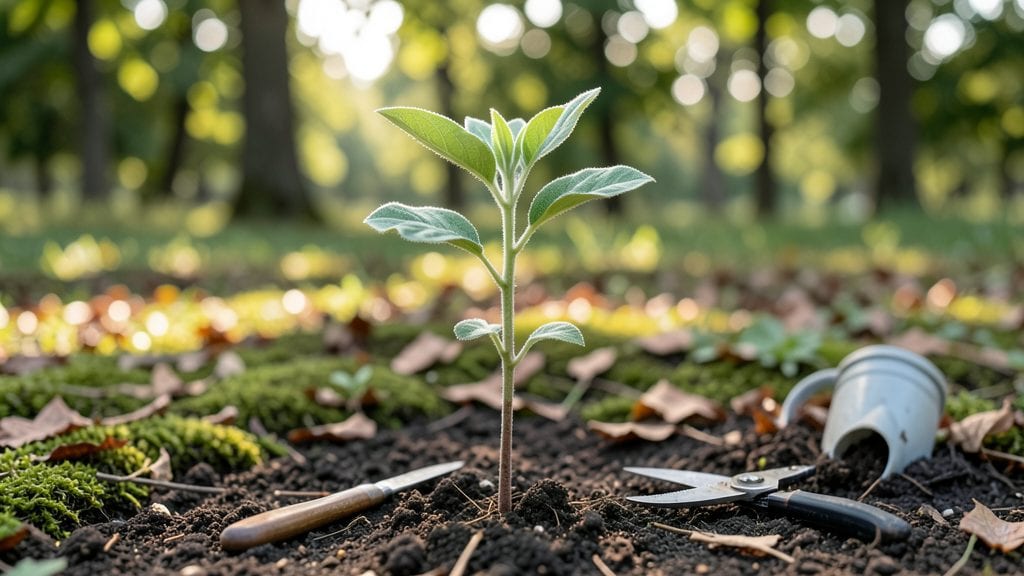
The identification of a redbud seedling begins with those heart-shaped leaves—unmistakable once you know what to look for. 🌿 I’ve spent years watching these young trees pop up in my yard, and the first clue is always the foliage: smooth-edged, slightly pointed leaves. that appear in clusters along slender stems.
Most people overlook them until they bloom, but that’s when the magic happens—pinkish-purple flowers before the leaves even unfold.
The bark is another dead giveaway: smooth and silvery-gray when young, with a tendency to develop shallow furrows as the tree matures. Compare that to honeylocust’s compound leaves or ash’s opposite branching, and you’ll spot the difference right away.
Grab a magnifying glass if you’re unsure—redbud’s leaf veins are more prominent, creating a delicate lacework pattern that’s hard to miss.
Once you confirm the species, you’re just steps away from nurturing a tree that’ll burst with color every spring. Redbuds thrive in well-draining soil and partial shade, making them perfect for understory plantings or mixed borders.
The key is acting fast—young seedlings establish roots quickly, so transplant them before they outgrow their temporary spot.
For extra certainty, snap a photo and compare it to apps like LeafSnap or consult a local arboretum’s online resources. They’ll confirm what your eyes suspect: you’ve found one of nature’s most reliable early spring performers.
Now comes the fun part—giving it the care it needs to grow into a showstopper.
Understanding Seedling Confusion
Identifying a redbud seedling can be tricky, especially when young trees share similar features with other species. The confusion often stems from a mix of natural growth patterns, environmental influences, and human misinterpretation.
Below, we break down the key reasons why redbud seedlings are sometimes misidentified—and how to avoid these pitfalls.
Young redbud seedlings (Cercis canadensis) often have leaves that closely resemble other early-spring bloomers, like linden or hackberry seedlings. Here’s why:
- Small, Simple Leaves: Redbud seedlings start with pinnate (feather-like) leaves, but their first true leaves can appear round or heart-shaped, mimicking species like sweetgum or maple. Their edges are often smooth or slightly serrated, which isn’t unique to redbuds.
- Slow Unfolding: Redbud leaves emerge later than many competitors (April–May in most regions), but by the time they appear, other seedlings may already have more distinct foliage. This delayed growth can make them harder to spot.
- Color Mimicry: Young redbud leaves start a light green and mature to a deeper hue, but this gradual shift can blend in with other seedlings in mixed woodlands.
Actionable Tip: 🔍 Wait for flowers—redbuds are one of the few trees that bloom before leaves fully emerge. If you see pink or purple flowers in early spring, you’re likely dealing with a redbud.
Redbud seedlings don’t grow in a vacuum—their environment plays a huge role in their appearance, leading to misidentification. Key factors include:
| Factor | Effect on Seedling | Why It Causes Confusion |
|---|---|---|
| Sunlight Exposure | Seedlings in full sun grow faster with darker, larger leaves. Those in shade may stay small with lighter, thinner leaves. | Shaded seedlings can resemble dogwood or serviceberry seedlings, which also thrive in low light. |
| Soil Quality | Poor soil (sandy, clay-heavy) stunts growth, while rich loam promotes vigorous development. | Stunted redbuds may look like elderberry or hawthorn seedlings, which also struggle in harsh conditions. |
| Water Availability | Overwatered seedlings develop yellowing leaves; underwatered ones get crinkled or curled edges. | Stressed redbuds can mimic willow or birch seedlings, which also react poorly to moisture extremes. |
Actionable Tip: 🌡️ Check the bark—mature redbud seedlings develop smooth, grayish-brown bark with horizontal lenticels (pores). Compare this to other seedlings, which often have rougher or more textured bark.
Even experienced gardeners can misidentify redbud seedlings due to common visual shortcuts and seasonal blindness. Here’s what trips people up:
- Focusing Only on Leaves: Many assume a seedling’s leaf shape alone is enough for ID, ignoring stem structure, bud shape, or growth habit. Redbud leaves are alternate (one leaf per node), but this detail is often overlooked.
- Ignoring Flower Timing: Since redbuds bloom early, people may miss the flowers and judge the seedling solely by summer foliage. By then, other trees (like cherry or plum) may have similar leaves.
- Overlooking Seed Pods: Mature redbuds produce flat, brown seed pods in late summer. Young seedlings may not have these yet, but nearby adults can confirm the species.
Actionable Tip: ✨ Use a field guide or app (like iNaturalist or PictureThis) to cross-reference leaves, bark, and growth patterns. A photo comparison can reveal subtle differences you might miss in person.
By understanding these natural, environmental, and observational pitfalls, you’ll sharpen your redbud seedling ID skills—and avoid common mistakes that lead to mislabeling.
Quick Fixes for Seedling Confusion
Identifying redbud seedlings can feel like solving a botanical puzzle—especially when their delicate leaves and flowers mimic other young trees. But with the right approach, you can confidently distinguish them from look-alikes like hawthorn, cherry, or even dogwood.
Below, we break down common challenges and practical, step-by-step solutions to ensure you never mix them up again.
Problem: Young redbud leaves resemble other spring bloomers, making identification tricky. Fix: Focus on these three key leaf traits to separate them from imposters.
🍃 1. Shape and Arrangement Redbud leaves are heart-shaped (cordate) with a smooth, slightly wavy edge.
Unlike hawthorn (which has serrated edges) or cherry (which often has a pointed tip), redbud leaves grow alternately along the stem—meaning no two leaves share the same node. - Quick test: Pinch a leaf between your fingers. If it’s soft, thin, and lacks jagged edges, it’s likely a redbud.
🌸 2. Leaf Color and Texture Redbud seedlings often sport lighter green or reddish undertones on new growth, while mature leaves turn a deeper green.
Compare them to: - Hawthorn: Darker, glossier, and often with a rough texture. - Dogwood: Leaves are broader and more oval-shaped. - Pro tip: 💡 Run your thumb along the leaf’s underside. Redbud leaves are smooth and hairless, while many look-alikes (like cherry) may have fine fuzz.
🌿 3. Bud and Stem Clues
Redbud buds are small, oval, and slightly sticky when touched. The stems are slender and green, not woody like older trees.
- Red flag: If buds are pointed and clustered (like lilac) or covered in scales (like birch), it’s not a redbud.
Problem: Seedlings may not bloom in their first year, leaving you guessing. Fix: Use subtle growth patterns to confirm identity before flowers appear.
⏳ 1. Timing is Everything Redbuds bloom earlier than most trees—often in late winter or early spring (February–March)—before leaves emerge.
If you see pink-purple flowers without leaves, it’s a dead giveaway. - Backup plan: If no flowers are present, check for last year’s seed pods (flat, brown, and pea-like) clinging to branches.
🌱 2. Growth Habit
Young redbuds grow upright and multi-stemmed, while seedlings of trees like serviceberry or hawthorn often sprout in dense clusters.
- Visual trick: 🔥 Look for a single dominant leader stem (main vertical growth) with side branches forming a loose, rounded shape.
Problem: Redbuds can be mistaken for cherry, dogwood, or even apple seedlings. Fix: Use this quick-reference table to compare key features.
| Trait | Redbud | Cherry | Dogwood | Hawthorn |
|---|---|---|---|---|
| Leaf Shape | Heart-shaped, smooth edges | Lance-shaped, serrated | Oval, slightly curved | Lobed or jagged edges |
| Leaf Arrangement | Alternate | Alternate | Opposite | Alternate |
| Buds | Small, sticky, oval | Pointed, clustered | Round, smooth | Sharp, overlapping |
| Flowers | Pink-purple, before leaves | White/pink, with leaves | White bracts (like petals) | White clusters, after leaves |
| Seed Pods | Flat, pea-like | Small, round drupe | Berry-like | Spiky, red fruit |
Once you’ve mastered redbud identification, lock in your skills with these habits: - 📸 Take photos of leaves, buds, and flowers at different stages. Compare them later to reinforce memory. - 🌱 Plant a test tree in your yard.
Observe its growth patterns year-round to train your eye. - 🌿 Join a local plant group (online or in-person) to quiz experts and share findings. - 📅 Note bloom times in your region. Redbuds are early bloomers—mark their timing to spot them faster next year.
Final pro tip: ✨ If all else fails, scratch the bark. Redbud bark is smooth and greenish-gray when young, while many look-alikes (like cherry) have rougher, darker bark. A quick scrape can be the tiebreaker!
Frequently asked questions
How can I tell if a young tree with heart-shaped leaves is a redbud?
Look for smooth-edged, slightly wavy leaves growing alternately along the stem, plus small, sticky oval buds. Unlike maple or honeylocust, redbud leaves have no serrated edges and appear lighter green when young. The real giveaway? Early spring pink-purple flowers before leaves fully emerge.
What’s the best way to confirm a redbud seedling if it’s not flowering?
Check the bark—young redbuds have smooth, silvery-gray bark with tiny horizontal pores. Compare the leaf arrangement: redbuds have one leaf per node (alternate), unlike dogwood (opposite leaves). Also look for flat, pea-like seed pods from last year’s growth.
Why do my redbud seedlings look different from photos?
Environment matters! Seedlings in shade grow slower with lighter leaves, while those in full sun develop darker, larger foliage. Poor soil can stunt growth, making them resemble hawthorn or elderberry. Always compare to multiple reference photos—lighting affects color too.
Can I use a phone app to identify redbud seedlings?
Apps like iNaturalist or PictureThis let you upload photos for instant ID. For best results, include leaves, buds, and bark in your shot. Pro tip: Snap pictures on a cloudy day to avoid harsh shadows that distort colors.