Planting
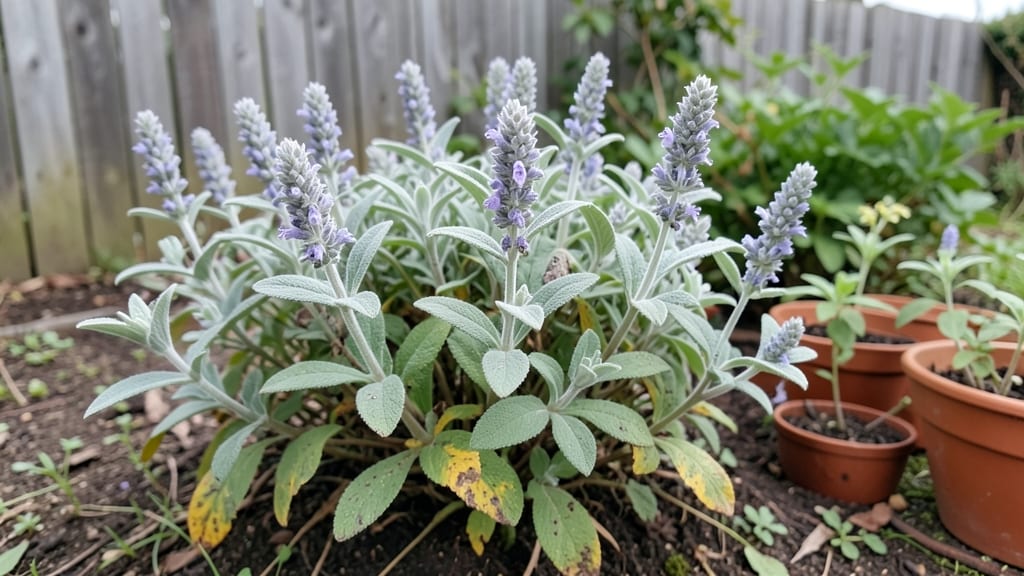
Planting catmint seeds unlocks a fragrant, drought-tolerant perennial that practically grows itself once established. 🌿 I’ve watched mine spread into lush lavender-blue mounds that hum with pollinators all summer—no fuss, just beauty.
The secret starts with the right soil and timing, and I’ll walk you through every step to avoid the common pitfalls that stall germination.
You’ll need well-draining soil, a sunny spot (at least 6 hours of direct light), and patience—catmint seeds can take 2-4 weeks to sprout.
Start indoors 8-10 weeks before your last frost or sow directly in spring after soil warms to 50°F. The key is keeping seeds moist but not soggy; a light misting twice daily works wonders until those first tiny leaves appear.
Once seedlings emerge, thin them to 12 inches apart to give roots room to breathe. Catmint thrives on neglect: water only when the top inch of soil feels dry, and fertilize lightly once in early spring.
Within a season, you’ll have a hardy plant that resists deer, drought, and even most pests—plus, it comes back bigger every year.
This is the perfect project for beginners or busy gardeners. The hardiest varieties like ‘Walker’s Low’ or ‘Blue Spire’ handle everything from clay soil to rocky slopes, and they’ll reward you with fragrance and color for decades. Ready to grow yours?
📚 In This Guide
- What you need
- Instructions
- Tips and common mistakes
- Wrapping up and next steps
What you need
- ● Catmint seeds: 1 packet (500–1,000 seeds, depending on the variety). Look for Nepeta species like ‘Walker’s Low’ or ‘Six Hills Giant.’
- ● Seed-starting mix: 1 bag (1–2 cubic feet) of lightweight, well-draining potting soil (avoid garden soil—it’s too dense!).
- ● Containers: For indoor sowing: 2–4 biodegradable seedling pots (2–3 inches deep) or a seed tray with cell inserts.
- ● For direct sowing: A small garden bed or 1–2 gallon-sized containers (if growing in pots).
- ● Grow lights or sunny windowsill: A full-spectrum LED grow light (12–16 hours/day) or a south-facing window with bright light.
- ● Watering can or spray bottle: With a fine mist nozzle for gentle watering.
- ○ Gloves: A pair of lightweight gardening gloves (optional but helpful for handling soil and seeds).
- ● Plant labels: Small markers or stakes to track seed varieties (especially useful if growing multiple types).
- ○ Fertilizer: A balanced, water-soluble fertilizer (5-10-5 ratio) for transplanting (optional but recommended for faster growth).
- ● Mulch: Straw or shredded leaves (to retain moisture and suppress weeds after germination).
- ○ Heat mat (optional): For indoor sowing in cooler climates (70–75°F speeds up germination).
Step-by-step instructions for growing catmint from seeds
Here's how to cultivate fragrant catmint that blooms reliably with almost no fuss.
🌱 Step 1: Start Seeds Indoors 8-10 Weeks Before Last Frost
Fill 2-inch deep seed trays with sterile seed-starting mix and moisten until damp but not soggy. Scatter seeds on the surface—catmint doesn't need light to germinate, so you can press them gently into the top layer without covering. I like to use a fine mist spray bottle to keep the soil evenly moist without disturbing the seeds.
Place trays in a warm spot (65-75°F) with indirect light. Germination takes 14-21 days, so be patient. Once sprouts appear, move them to a sunny windowsill or under grow lights for 12-14 hours daily. You'll know they're getting enough light when leaves stay dark green and stems stay sturdy—no stretching toward the light.
🌿 Step 2: Transplant Seedlings When Strong Enough
When seedlings have 2-3 sets of true leaves (about 4-6 weeks after sowing), gently transplant them into 3-inch pots filled with well-draining potting mix. Handle them by the leaves, not the stems, to avoid damaging delicate roots. I always harden them off first by placing pots outside in partial shade for 1-2 hours daily for a week before full sun exposure.
Catmint thrives in poor soil, so don't over-fertilize. A light layer of compost mixed into the soil provides enough nutrients. Water only when the top inch feels dry—overwatering causes root rot, and catmint is drought-tolerant once established.
☀️ Step 3: Plant Outdoors After All Frost Risk Passes
Choose a sunny spot with 6+ hours of direct sun daily—catmint blooms best in full sun. Space plants 18-24 inches apart in well-draining soil. Dig holes slightly deeper than the root ball to encourage strong root growth. Water deeply after planting to settle the soil and remove any air pockets.
Mulch around the base with 2-3 inches of organic mulch to retain moisture and suppress weeds. Catmint is deer-resistant, so you won't need extra protection. The first year, you might see fewer blooms as the plant establishes roots, but by year two, it'll reward you with lavender-blue flowers from early summer until fall.
✂️ Step 4: Prune and Maintain for Long-Lasting Blooms
Deadhead spent flowers to encourage more blooms, but don't cut back too aggressively—catmint spreads by rhizomes and benefits from occasional pruning. In early spring, trim back 1/3 of the plant's height to promote bushier growth. After the first flush of blooms, cut back again by half to stimulate a second round of flowers.
Water only during droughts—catmint stores moisture in its stems and roots. Overwatering is the fastest way to kill it. If leaves yellow or wilt, check the soil moisture before watering. In colder climates, cut back stems to 2-3 inches in late fall and mulch heavily to protect roots over winter.
Tips & tricks for perfect catmint plant seeds
A few simple strategies that'll help you grow fragrant catmint with confidence and minimal fuss.
Temperature Matters: Maintain that 65-75°F warmth during germination—this is the sweet spot for catmint seeds to sprout reliably. I place my seed trays on top of my refrigerator or use a seedling heat mat for consistent warmth. If your home runs cooler, consider a small greenhouse or clear plastic wrap over the tray to trap heat.
Lighting Secret: Once those first sprouts appear, don't rush to move them into direct sun. Start with 12-14 hours of gentle light from a sunny windowsill or grow lights. I notice catmint seedlings stretch toward light when they're not getting enough—watch for that telltale "leggy" growth and adjust your light source immediately.
Hardening Off Strategy: The 1-2 hours daily of outdoor hardening in Step 2 is crucial for transplant shock prevention. I start with just 30 minutes on day one and gradually increase time. This gradual transition helps the seedlings develop thicker cell walls and tougher leaves, making them much more resilient when they finally go outdoors permanently.
Mulching Wisdom: That 2-3 inches of organic mulch isn't just for looks—it creates a microclimate that keeps soil temperatures stable and moisture levels consistent. I use straw mulch because it breaks down slowly and adds organic matter to the soil as it decomposes. This helps catmint establish strong root systems that can handle dry spells once established.
Pro Tips for Catmint Plant Seeds
- A few simple strategies that'll help you grow fragrant catmint with confidence and minimal fuss.
- Temperature Matters: Maintain that 65-75°F warmth during germination—this is the sweet spot for catmint seeds to sprout reliably.
- Lighting Secret: Once those first sprouts appear, don't rush to move them into direct sun.
Frequently asked questions
Got questions about growing catmint plant seeds? You’re not alone! Here are some of the most common queries—and their simple, practical answers—to help you cultivate this fragrant beauty with confidence.
When is the best time to plant catmint seeds?
For most climates, sow seeds indoors 8–10 weeks before the last frost (early spring) or directly outdoors after soil warms to 60°F+ (late spring/early summer). Catmint thrives in well-drained soil, so avoid waterlogged areas. Pro tip: A light sprinkle of mulch after planting helps retain moisture while seeds germinate!
How long does it take for catmint seeds to germinate?
Germination can take 14–30 days, depending on temperature and moisture. Keep soil consistently damp (not soggy) and place trays in a sunny spot. If seeds don’t sprout within a month, they may need light to germinate—try pressing them lightly into the soil instead of burying deeply.
Will catmint attract bees or other pests?
Yes! Catmint is a pollinator magnet—bees, butterflies, and hummingbirds adore its nectar. While it’s great for ecosystems, its strong scent can deter some garden pests like deer and rabbits. Warning: If you’re sensitive to mint family scents, wear gloves when handling plants to avoid skin irritation.
Can I grow catmint from cuttings instead of seeds?
Take 4–6 inch cuttings from healthy stems in early summer, strip the lower leaves, and dip in rooting hormone. Plant in moist potting mix and keep humid (a plastic bag works!). Roots form in 2–4 weeks. This method is faster than seeds and preserves the parent plant’s traits.
Why isn’t my catmint growing as expected?
Check these common issues:
Leggy or weak stems? It needs more sunlight (catmint thrives in full sun—6+ hours daily).
Yellowing leaves? Overwatering or poor drainage. Let soil dry slightly between waterings.
No flowers? Prune back 1/3 of growth in early spring to encourage bushier, flower-heavy plants.
Bonus: Deadhead spent blooms to prolong flowering and prevent self-seeding if you prefer controlled growth.
Is catmint invasive in my garden?
Not typically! While it self-seeds, catmint is not aggressive like mint. To manage spread, deadhead flowers before seeds form or plant in containers. If it pops up elsewhere, simply transplant seedlings to your desired spot—it’s easy to relocate!
Wrapping up and next steps
Growing catmint plant seeds is a rewarding way to add fragrant, low-maintenance beauty to your garden—whether you're a seasoned gardener or just starting out! 🌿 With its hardy nature and stunning blooms, catmint is the perfect choice for pollinators and effortless curb appeal.
Now that you’re equipped with the know-how, why not take the next step and plant your seeds this season? Grab your gloves, pick a sunny spot, and watch your garden transform into a fragrant paradise!