Propagation
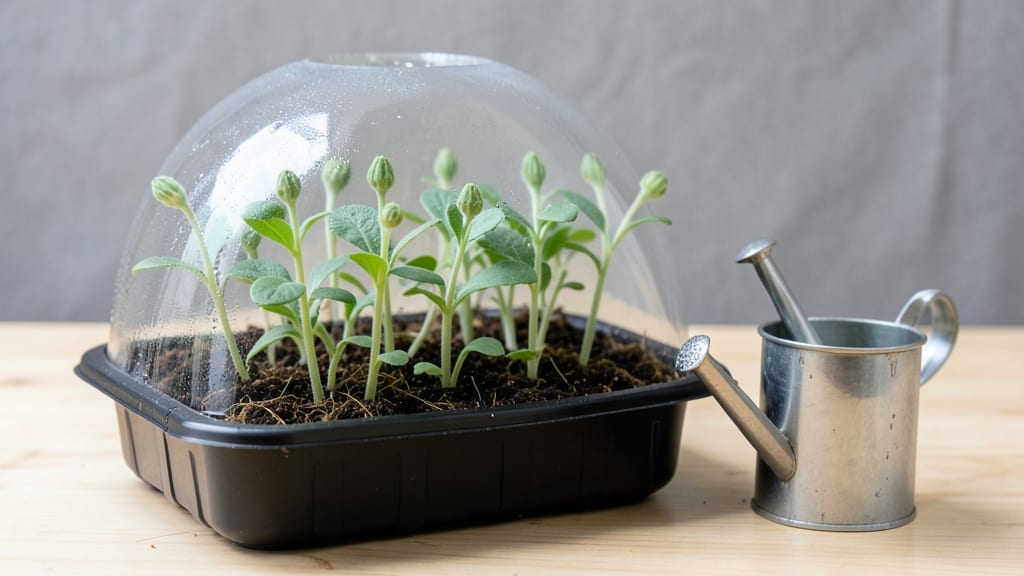
The magic of snapdragon seeds germination turns your windowsill into a burst of color—those delicate specks race toward life with surprising speed when given warmth and care. ✨ days, not the weeks some seeds take.
I’ve tried every shortcut, but this method—keeping seeds cozy and moist—works every time, even for beginners who’ve struggled before.
You’ll need a shallow tray, seed-starting mix, and a heat mat or warm spot (like on top of the fridge). Snapdragons hate cold soil—70°F is their sweet spot—and they need light to break through the surface without drying out.
Most people overwater, which drowns the seeds, or let them dry out, which stalls germination. The key is keeping that soil damp like a wrung-out sponge, not soggy.
Once those first leaves appear, you’ll be hooked. The seedlings grow fast, with sturdy stems ready for transplanting in 3-4 weeks. The payoff? A border bursting with colors that last from summer through fall, with blooms that dance in the breeze.
Just don’t rush—these plants reward patience with neighborhood-stopping displays that outshine store-bought flowers.
Works for both sunny borders and containers, and the same method applies whether you’re growing the classic red or trying a rare bi-color mix. Here’s how to get every seed to sprout without the guesswork—no more empty trays or moldy messes.
📚 In This Guide
- What you need
- Instructions
- Tips and common mistakes
- Wrapping up and next steps
What you need
- ● Snapdragon seeds: 1 packet (50-100 seeds) – Choose heat-activated or pre-treated seeds for faster germination.
- ● Seed-starting trays or pots: 1-2 trays (2-3" deep) with drainage holes or 4-6 small pots (2.5-3" diameter).
- ● Seed-starting mix: 1 bag (1-2 cubic feet) – Use a lightweight, sterile mix (e.g., 50% peat moss, 30% perlite, 20% vermiculite).
- ● Heat mat or warm location: 1 heat mat (70-80°F) or a sunny windowsill (75°F+).
- ● Spray bottle: 1 (16-24 oz) with a fine mist nozzle for gentle watering.
- ○ Plastic wrap or dome: 1 sheet – To create a humidity tent (optional but recommended).
- ○ Grow lights (optional): 1 LED bulb (12-16 hrs/day) – If natural light is limited.
- ● Tweezers or seed starter: 1 pair – For precise seed placement.
- ● Label markers: 2-3 – To track seed varieties and dates.
- ○ Fertilizer (optional): 1 bottle (balanced 10-10-10 or fish emulsion) – Dilute to half-strength for seedlings.
- ○ Thermometer (optional): 1 soil thermometer – To monitor 70-80°F warmth.
How to germinate snapdragon seeds for fast, reliable blooms
Here's the foolproof method I use to get snapdragons popping in just 10 days—no fancy equipment needed.
🌱 Step 1: Prep Seeds and Soil for Optimal Warmth
Snapdragons need warmth to germinate, so I start by soaking the seeds in lukewarm water for 12 hours before planting. This softens the tough outer shell and speeds up sprouting. While they soak, fill your seed-starting trays with moistened seed-starting mix—just damp enough to hold together when squeezed, not dripping.
Press the soil down lightly so it’s firm but not compacted. The key here is even moisture without waterlogging. I like to use a spray bottle to mist the surface gently—this prevents seeds from washing away when I plant them. A flat tray with drainage holes works best, but a simple plastic container with holes poked in the bottom will do.
💧 Step 2: Plant Seeds Shallow and Cover Lightly
Snapdragons don’t like being buried deep. I plant them just ⅛ inch below the soil surface—about the depth of a pencil lead. Drop the soaked seeds ½ inch apart in rows, then cover them with a thin layer of fine soil (no more than ¼ inch). Pressing too hard will smother them, so just pat gently.
Mist the soil again until it’s evenly damp, then cover the tray with clear plastic wrap or a humidity dome. This traps warmth and moisture, which snapdragons crave for germination. Place the tray in a warm spot—I use the top of my fridge (usually 75-80°F) or a seedling heat mat set to 70°F. Avoid direct sunlight here; they need warmth, not light, at this stage.
⏰ Step 3: Monitor for Germination and Adjust Conditions
Check the tray daily for moisture—never let it dry out, but don’t drown the seeds either. If condensation forms on the plastic, lift it for 10 minutes to air out. You’ll see tiny green sprouts in 7-10 days, but some varieties take up to 14 days. Patience is key—don’t disturb them until you see first true leaves (the second set after the initial seed leaves).
Once sprouts appear, remove the plastic immediately to prevent damping-off (a fungal disease that collapses seedlings overnight). Move the tray to a bright, indirect light spot—like a south-facing window or under grow lights—keeping them 2-3 inches away from the light source. If seedlings stretch toward the light too quickly, they’re not getting enough intensity. Strong seedlings will have sturdy stems and dark green leaves.
🌿 Step 4: Thin Seedlings for Stronger Growth
When seedlings reach 1-2 inches tall (usually 2-3 weeks after germination), it’s time to thin. Use a small pair of scissors or your fingers to snip the weakest seedlings at soil level, leaving the strongest 2-3 per cell (if using a tray). This prevents overcrowding, which leads to leggy, weak plants. If you’re planting directly in the garden, thin to 6-8 inches apart once they’re 3-4 inches tall.
After thinning, water the remaining seedlings at the base (not overhead) to avoid spreading disease. Snapdragons are tough once established, but they need consistent moisture during their first few weeks. You’ll know they’re happy when they start bolting upward and developing bushy foliage—that’s your cue they’re ready for transplanting or continued indoor growth.
Tips & tricks for snapdragon seed germination
Here's what I learned after struggling with slow snapdragon germination—these tricks will help you get those first sprouts in record time.
The Soaking Secret: That 12-hour soak isn't just about hydration—it's about breaking dormancy. I use a small glass jar with lukewarm water (not hot!) and place it on my countertop near the warm spot I'll use later. This maintains consistent warmth during soaking. Pro tip: If your seeds float, they're likely empty shells—discard them and use fresh ones.
Temperature Matters: The 70-80°F range is critical for germination. If your home stays cooler, place the tray on top of your fridge (the motor keeps it warm) or use a seedling heat mat. I've seen germination speed up by 2-3 days just by maintaining this temperature. Avoid placing near heat vents—the fluctuating temps can confuse the seeds.
Lighting Strategy: Once sprouts appear, move them to bright, indirect light immediately. I use a simple LED grow light on a timer for 12 hours daily—this prevents the leggy growth that happens when seedlings stretch toward weak light. If using natural light, rotate the tray daily so all seedlings get equal exposure.
Thinning Timing: Don't wait until seedlings are crowded to thin! When they reach 1-2 inches tall (about 2-3 weeks after germination), use clean scissors to snip at soil level. This prevents root competition and gives your strongest plants room to grow. I like to thin to 2-3 seedlings per cell—this ensures each has enough nutrients without overcrowding.
Pro Tips for Snapdragon Seeds Germination
- Here's what I learned after struggling with slow snapdragon germination—these tricks will help you get those first sprouts in record time.
- The Soaking Secret: That 12-hour soak isn't just about hydration—it's about breaking dormancy.
- Temperature Matters: The 70-80°F range is critical for germination.
Frequently asked questions
How long do snapdragon seeds take to germinate?
Snapdragon seeds typically germinate in 7–14 days when kept warm (70–75°F). Pre-soaking seeds in warm water for 24 hours can speed this up to 5–10 days. Patience is key—irregular germination is normal, so don’t give up after a week!
What if my snapdragon seeds aren’t sprouting?
If seeds aren’t sprouting after 2 weeks, check these fixes:
- Temperature: Ensure soil stays consistently warm (use a heat mat if needed).
- Moisture: Keep soil damp (not soggy) with a spray bottle.
- Light: Seeds need indirect light; avoid direct sun until sprouts appear.
- Freshness: Old seeds (over 1 year) may lose viability—try new ones!
Can I germinate snapdragon seeds indoors without special equipment?
Use a clear plastic bag or seedling heat mat (or even a sunny windowsill) to trap warmth. Place seeds in moist paper towels or a seed-starting mix, then cover loosely with plastic wrap. Check daily for sprouts!
Should I transplant snapdragon seedlings immediately after germination?
Wait until seedlings have 2–3 true leaves (not just the initial seed leaves). Harden them off for 5–7 days by gradually exposing them to outdoor conditions before planting. Overcrowding can stunt growth—space them 12–18 inches apart in full sun.
What’s the best way to store leftover snapdragon seeds?
Store seeds in a cool, dry place (like a sealed envelope in the fridge) for up to 2 years. Add a damp paper towel to retain moisture if storing long-term. Label with the date to track freshness!
Wrapping up and next steps
Growing snapdragon seeds is a rewarding journey that brings vibrant blooms to your garden in just 10 days—and you’ve got all the tools to succeed! 🌱 With the right warmth, moisture, and patience, these cheerful flowers will thrive, adding color and charm to your space.
Now that you’re armed with tips and answers to common questions, it’s time to roll up your sleeves and plant those seeds.
Ready to take the next step? Start small—whether it’s a sunny windowsill or a cozy greenhouse—and watch your snapdragons sprout into stunning blooms. Happy gardening! 🌸