Pruning
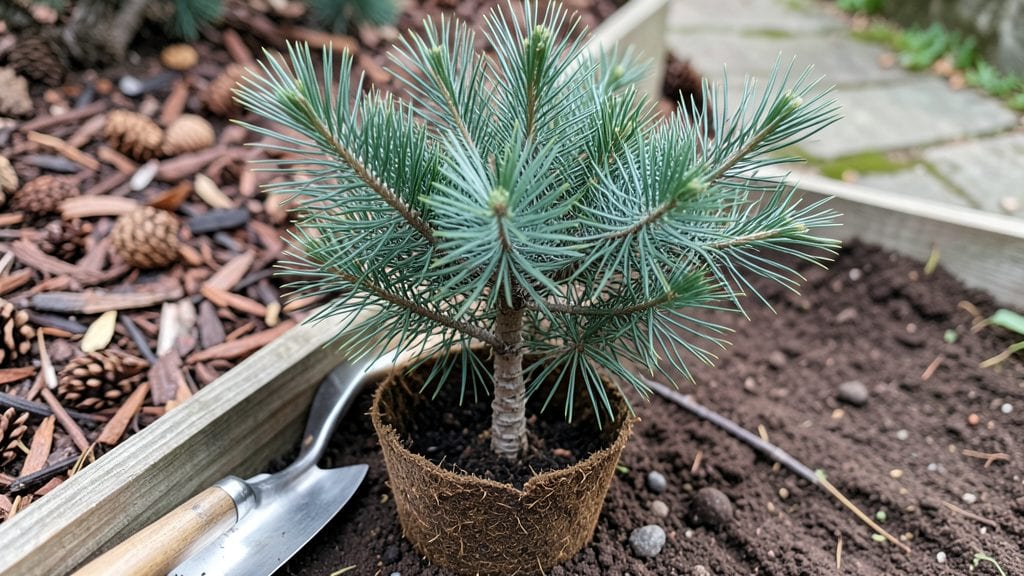
Growing a spruce tree seedling into a full, lush tree starts with the right pruning from day one. ✨ I’ve watched my own seedlings go from scraggly sticks to dense, bushy trees by pruning at the right times—even in winter—and I’m sharing exactly how to do it without killing your young plant.
The key is gentle shaping, not aggressive cutting. You’ll need sharp pruning shears, a small trowel for soil prep, and a spray bottle for watering. Spruce seedlings need well-draining soil, partial shade at first, and consistent moisture—but they’ll reward you with sturdy growth within just a few months.
By pruning new growth in spring and shaping in late summer, you’ll encourage thicker branches and a fuller shape. The result? A tree that looks like it’s been growing for years, not months. Plus, you’ll avoid the common mistake of over-pruning, which stresses young spruces.
This method works for all spruce varieties, from Colorado blue to Norway spruce. Whether you’re growing in a container or planting directly in the ground, the same principles apply. Let’s get your seedling off to the best start possible!
📚 In This Guide
- What you need
- Instructions
- Tips and common mistakes
- Wrapping up and next steps
What you need
- ● Spruce tree seedlings: 1–5 plants (depending on your project scale; opt for healthy, 1–3 ft tall seedlings with firm stems).
- ● Pruning shears: 1 pair of bypass pruners (sharp, clean, and disease-resistant; ✂️ avoid anvil pruners—they crush stems!).
- ○ Hand pruners (optional): For smaller branches (¼-inch diameter), a pair of ergonomic hand pruners adds precision.
- ● Loppers: 1 pair (for thicker branches, ½–1½ inches in diameter).
- ● Gloves: 1 pair of cut-resistant, breathable gloves (gardening or pruning-specific).
- ● Disinfectant: 70% isopropyl alcohol or a pruning sealant (to prevent disease spread).
- ○ Pruning saw (optional): For stubborn, 1½+ inch branches (avoid overuse—prune smaller branches first!).
- ● Weather check: Prune on a dry, overcast day (or early morning/late afternoon) to minimize stress on the seedling.
- ● Safety gear: Safety glasses (to shield from debris) and closed-toe shoes.
- ● Clean workspace: Lay down a tarpaulin or cardboard to collect clippings and protect soil.
- ● Know your goals: Sketch a rough plan for bushier growth—aim to remove no more than 25% of the seedling’s foliage per session.
- ● 🔥 Sterilize tools: Wipe blades with alcohol before and after each use to prevent fungal/bacterial hitchhikers.
- ● 🌡️ Seasonal swap: Use sharper tools in winter (dormant season) and lighter cuts in summer to avoid sunburn.
- ● ✨ Labeling hack: Tie colored flags to branches you’ve pruned to track progress.
Step-by-Step guide to pruning spruce tree seedlings
Pruning young spruce seedlings might seem intimidating, but it’s the key to encouraging fuller growth and stronger branches.
🌱 Step 1: Identify the Right Time to Prune
Start pruning your spruce seedlings in early spring, just as new growth begins to emerge. This timing gives the tree energy to recover before summer heat arrives. Avoid pruning in late fall or winter—dormant trees are more vulnerable to stress and disease. Look for fresh, bright green needles; that’s your signal that the tree is actively growing again.
If you missed spring, you can do a light pruning in early summer after the first flush of new growth, but avoid heavy cuts. Never prune in fall or winter, as cold stress weakens the tree. I always mark my calendar with a reminder—skipping this step can lead to sparse, leggy growth over time.
✂️ Step 2: Use the Right Tools and Technique
Grab your sharp, clean pruning shears—dull blades tear tissue and invite disease. Sterilize them with rubbing alcohol before and after use to prevent spreading pathogens. For seedlings, you’ll mostly work with small branches (¼ inch or less in diameter), so bypass pruners are perfect for precision cuts.
Make cuts just above a bud or branch collar (the swollen area where the branch meets the stem). Avoid leaving stubs—these can rot and attract pests. If a branch is too small for shears, pinch it off with your fingers or use clean nail clippers. Always cut at a 45-degree angle to shed water away from the wound.
🌿 Step 3: Remove Dead or Damaged Branches First
Scan your seedling for dead, broken, or crossing branches—these are your top priority. Dead branches are brown, brittle, and easily snap when bent. Crossing branches rub against each other, creating wounds that invite infection. Remove them entirely at the base, even if it means sacrificing a few branches. This step ensures the tree’s energy isn’t wasted on weak or problematic growth.
Next, look for water sprouts—those long, skinny shoots growing straight up. These steal nutrients from the main structure. Snip them off at the base. You’ll see a noticeable difference in the seedling’s shape after this cleanup—it’ll start looking more balanced and intentional.
🌱 Step 4: Thin Out Overcrowded Areas
Spruce seedlings naturally grow dense, but too many branches competing for sunlight and nutrients can lead to weak growth. Focus on thinning branches from the inside of the tree to improve airflow and light penetration. Aim to remove about 10-20% of the total branches—this is enough to encourage bushier growth without stressing the seedling.
Start at the bottom of the tree and work your way up. Remove branches that are growing inward or downward, as these rarely contribute to a full, rounded shape. Leave the healthiest, outward-facing branches—these will form the tree’s future structure. Step back occasionally to check your progress; you’ll notice the seedling’s form becoming more open and inviting.
⏰ Step 5: Monitor and Adjust Growth Year-Round
After your initial pruning, keep an eye on your seedling throughout the year. In late summer, do a light maintenance trim to remove any new water sprouts or branches that are growing in the wrong direction. Avoid heavy pruning now—you don’t want to stimulate new growth that won’t harden off before winter.
In early spring of the following year, repeat the process, but this time, you can be slightly more aggressive with shaping. Spruce trees respond well to gradual, consistent pruning—think of it like sculpting. Over time, you’ll develop a feel for how much to remove. The goal is a full, symmetrical tree with branches evenly spaced and no bare spots.
Tips & tricks for pruning spruce tree seedlings
Your spruce seedlings deserve careful attention—these tips will help you shape them into strong, beautiful trees without causing stress.
Timing is Everything: Early spring is your best window for pruning, but if you miss it, don't panic. The key is to prune when you see fresh, bright green needles—this means the tree is actively growing and can recover quickly. In Step 1, if you're working in early summer, focus only on light maintenance to avoid stimulating new growth that won't harden off before winter. I've learned the hard way that fall or winter pruning can actually weaken your seedling, so always check the calendar before grabbing your shears.
Tool Prep Makes All the Difference: Before you start cutting in Step 2, sterilize your pruning shears with rubbing alcohol—this prevents spreading disease between cuts. For branches smaller than ¼ inch, bypass pruners give you the precision you need, but don't overlook clean nail clippers for the tiniest branches. Remember, a sharp cut at a 45-degree angle heals better than a jagged one, so take your time to make clean cuts just above the branch collar. I always wipe down my tools between trees to keep everything sanitary.
Shape with Purpose: When thinning in Step 4, visualize your tree's final shape. Start at the bottom and work upward, removing branches that grow inward or downward—they'll never contribute to that full, rounded look. The 10-20% reduction guideline is perfect for encouraging bushier growth without stressing the seedling. Step back often to check your progress; you'll notice the tree's form becoming more open and inviting as you go. Think of it like sculpting—every cut should move you closer to your vision.
Year-Round Awareness: Pruning isn't just a springtime task. In late summer (Step 5), do light maintenance to remove water sprouts before they become a problem. And in early spring of the following year, you can be slightly more aggressive with shaping. The key is consistency—spruce trees respond best to gradual, thoughtful pruning over time. I mark my calendar with reminders so I don't miss these important maintenance windows.
Pro Tips for Spruce Tree Seedling
- Your spruce seedlings deserve careful attention—these tips will help you shape them into strong, beautiful trees without causing stress.
- Timing is Everything: Early spring is your best window for pruning, but if you miss it, don't panic.
- Tool Prep Makes All the Difference: Before you start cutting in Step 2, sterilize your pruning shears with rubbing alcohol—this prevents spreading disease between cuts.
Frequently asked questions
Got questions about growing and pruning spruce tree seedlings? You’re not alone! Here are answers to the most common queries to help you nurture a lush, healthy tree year-round.
When is the best time to plant a spruce tree seedling?
Plant your seedling in early spring or fall when soil temperatures are mild (50–60°F). Avoid extreme heat or frost, as young roots are sensitive. If planting in summer, water deeply and mulch to retain moisture—spruces hate drought stress!
Can I prune my spruce seedling in winter?
Yes! Winter (dormant season) is ideal for light pruning—remove dead branches or overcrowded growth. Avoid heavy cuts, as new growth in spring needs energy. Use clean, sharp shears to prevent disease. Pro tip: Wait until late winter (just before buds swell) for best results.
Why is my spruce seedling losing needles?
Needle drop is normal in late summer/fall**, but excessive loss signals stress. Check for:
Adjust care and monitor for improvement.
Are there dwarf spruce alternatives for small spaces?
Consider these compact varieties:
Variety
Mature Height
Notes
Picea pungens 'Glauca Globosa'
3–5 ft
Globe-shaped, silver-blue needles
Picea glauca 'Conica'
4–6 ft
Classic "dwarf Alberta spruce"
Picea omorika 'Nana'
3–4 ft
Soft, pendulous branches
How do I fix over-pruned spruce seedlings?
If you’ve trimmed too aggressively, don’t panic! Focus on:
- Watering deeply (1–2 inches per week)
- Avoiding fertilizers (let roots recover first)
- Protecting from wind (use a windbreak if needed)
- Pruning lightly next season to encourage new growth
Wrapping up and next steps
Growing a lush, bushy spruce tree seedling is all about consistent care and smart pruning—no matter the season! 🌲 By following the right techniques, you’ll encourage healthy growth, prevent disease, and create a stunning evergreen centerpiece for years to come.
Whether you’re trimming in spring, summer, or even winter, your efforts will pay off with a thriving, fuller tree.
Ready to take the next step? Start small—pick one season to practice pruning, then expand your routine as you gain confidence. Grab your tools, step outside, and give your spruce seedling the love it deserves! 🌱