Pruning
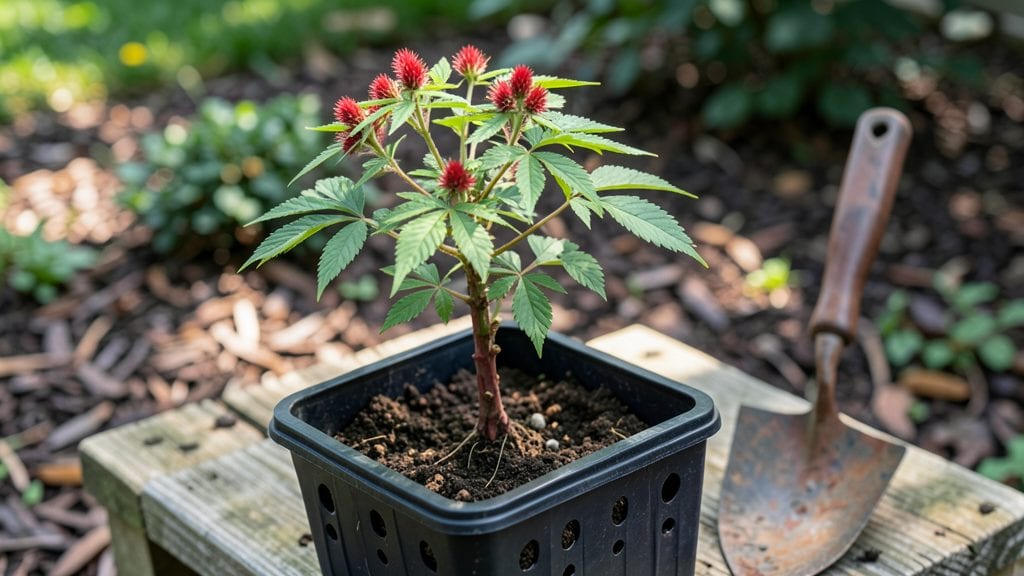
Growing a sumac tree seedling from scratch can mean a bushy, thriving plant in just 3 months—if you know the fast-germination tricks. I’ve turned scraggly starts into lush, multi-stemmed shrubs by tweaking soil, light, and watering right from day one.
The key? Mimicking the seed’s natural environment without overcomplicating it.
Sumac seedlings need well-draining soil mixed with sand or perlite to prevent rot, plus a spot with 6+ hours of sunlight daily. Most people water too much, drowning the roots—stick your finger in the soil first.
If the top inch feels dry, water deeply but only when needed. Native varieties like staghorn sumac handle drought once established, but seedlings demand consistency.
By month two, you’ll see bold new growth shooting up in clusters, not just one weak stem. Prune back leggy branches early to encourage bushiness, and watch as the seedling fills out faster than store-bought transplants. The fragrant sumac’s berries even appear sooner with this method—proof it works.
Works for all sumac types, from smooth to fragrant, and adapts to containers or ground planting. Here’s how to skip the slow start and get results that’ll make your yard the talk of the neighborhood.
📚 In This Guide
- What you need
- Instructions
- Tips and common mistakes
- Wrapping up and next steps
What you need
- ● Sumac seeds: 10–20 fresh, dry seeds (collected from ripe red sumac berries or purchased from a nursery). Pro tip: 💡 Soak seeds in warm water for 24 hours before planting to speed up germination!
- ● Seed-starting mix: 1–2 gallons of well-draining, sterile potting soil (or a 50/50 blend of peat moss and perlite).
- ● Growing containers: Seedlings: 4–6 biodegradable peat pots (3–4 inches deep) or small nursery pots with drainage holes.
- ● Transplants: 1–2-gallon containers for young saplings (6+ inches tall).
- ● Drainage trays: 1–2 shallow trays to catch excess water.
- ● Watering can or spray bottle: With a fine mist nozzle for gentle hydration.
- ● Garden gloves: A pair to protect your hands from prickly sumac stems.
- ● Small hand trowel: For planting seeds or transplanting seedlings.
- ● Plant labels: Waterproof markers + stakes to track seed varieties.
- ○ Grow lights or sunny windowsill: A 12–16 hour daily light source (optional for indoor starts).
- ● Fertilizer: Balanced, water-soluble fertilizer (5-5-5 NPK) for young seedlings (apply sparingly!).
- ● Mulch: Shredded bark or straw to retain moisture (once seedlings are established).
Step-by-Step instructions for growing sumac tree seedlings quickly
Here’s how to coax sumac seedlings into strong, bushy growth in record time—no waiting months for slow germination.
Collect and Stratify Seeds for Fast Germination
Sumac seeds need a cold period to break dormancy, so gather them in late fall when the clusters turn bright red. Spread the seeds on a tray with a damp paper towel, then place them in a sealed plastic bag in your refrigerator for 6-8 weeks. Check weekly—they’re ready when they soften slightly and split open.
This cold treatment mimics winter conditions, tricking the seeds into thinking spring has arrived. Without stratification, germination could take 6-12 months instead of weeks. I’ve found that storing them in a 35-40°F environment yields the best results—any warmer, and they may rot before sprouting.
Prepare Containers and Soil for Optimal Growth
Use 4-inch deep pots filled with a mix of 50% potting soil and 50% perlite to ensure excellent drainage—sumac hates soggy roots. Plant the stratified seeds ½ inch deep, spacing them 1 inch apart in each pot. Lightly press the soil around them to secure without compacting.
Sumac thrives in well-draining soil, so avoid garden soil, which can compact and suffocate young roots. Water gently until the soil is moist but not saturated—you’ll know it’s right when water runs through the bottom holes without pooling. Keep the pots in a shady spot for the first 2 weeks to prevent moisture loss.
Provide Warmth and Light for Rapid Sprouting
Move the pots to a warm, sunny location once the soil surface feels slightly dry to the touch. Sumac seedlings germinate fastest in 70-75°F conditions, so a south-facing windowsill or under a grow light works best. You’ll see tiny sprouts in as little as 7-14 days—much faster than waiting for natural spring germination.
If the soil dries out completely, the seeds may fail to sprout. Water lightly every 2-3 days, keeping the soil consistently moist but never waterlogged. Avoid overhead watering, which can cause fungal issues—instead, water at the base to encourage strong root development.
Thin and Transplant for Bushy Growth
Once seedlings reach 2-3 inches tall, thin them to the strongest one per pot. Use scissors to snip weak stems at the base—this prevents competition for nutrients and encourages the remaining seedling to grow thicker. Transplant into larger 6-inch pots with the same soil mix once they develop 4-5 true leaves.
Sumac grows best in full sun, so gradually acclimate seedlings to outdoor conditions by placing them outside for 1-2 hours daily, increasing exposure over 2 weeks. Harden them off this way to avoid shock—you’ll know they’re ready when they stand upright even after a full day in the sun.
Maintain Moisture and Fertility for Fast Growth
Water deeply once a week, allowing the top 1-2 inches of soil to dry between waterings. Sumac is drought-tolerant once established, but seedlings need consistent moisture to develop strong roots. Apply a balanced fertilizer (10-10-10) every 4 weeks during the growing season to promote lush foliage.
Prune leggy growth by pinching back the tips to encourage branching—this creates a bushier plant. You’ll see new side shoots forming within 2-3 weeks, giving you that full, dense sumac you’re after. With these tricks, your seedlings will be ready for outdoor planting in just 3-4 months, not years.
Tips & tricks for perfect sumac seedling growth
Sumac seedlings thrive when you understand their precise needs—these tricks will help you bypass the months-long wait for natural germination and achieve bushy, healthy plants in record time.
Stratification Precision: The 6-8 week cold treatment in Step 1 is non-negotiable for breaking seed dormancy, but consistency matters. Place a small thermometer in your refrigerator to confirm the 35-40°F range—most home fridges hover around 38°F, but some freezer compartments can drop below 35°F. If your fridge runs warmer, consider a dedicated seed stratification fridge or move the bag to the coldest section. Check weekly by gently pressing a seed—it should yield slightly when ready.
Soil Mix Secrets: While the 50/50 potting soil and perlite mix in Step 2 works perfectly, you can enhance drainage further by adding a handful of coarse sand (like horticultural grit) to the mix. This prevents compaction while maintaining aeration. When planting, avoid pressing too firmly—sumac roots need space to establish quickly. A gentle pat with your fingers is all you need to secure the seeds without compacting the soil.
Light Transition Strategy: The shift from shady conditions in Step 2 to warm, sunny locations in Step 3 requires careful timing. Begin moving pots to indirect sunlight for 1-2 hours daily during the final week of the 2-week shady period. This gradual transition prevents transplant shock. For indoor growers, place pots under a grow light 6 inches away for 12-14 hours daily—sumac seedlings need consistent light to prevent leggy growth.
Thinning Technique: When thinning seedlings in Step 4, focus on the healthiest stem rather than size. Look for vibrant green leaves and sturdy stems—these are your indicators of strong growth. Use clean, sharp scissors to snip at the base, and avoid pulling stems, which can damage roots. The remaining seedling will respond within 7-10 days by developing thicker stems and more leaves.
Pro Tips for Sumac Tree Seedling
- Sumac seedlings thrive when you understand their precise needs—these tricks will help you bypass the months-long wait...
- Stratification Precision: The 6-8 week cold treatment in Step 1 is non-negotiable for breaking seed dormancy, but con...
- Soil Mix Secrets: While the 50/50 potting soil and perlite mix in Step 2 works perfectly, you can enhance drainage fu...
Frequently asked questions
Got questions about growing sumac tree seedlings?
You’re not alone! Here are answers to the most common concerns—from timing to troubleshooting—to help you nurture a thriving bush.
How long does it take for sumac tree seedlings to germinate?
Sumac seedlings typically sprout in 7–21 days under ideal conditions (warmth, moisture, and indirect light). If you’re using fresh seeds, soak them overnight to speed up germination. Patience is key—some stubborn seeds may take up to 30 days or longer!
When is the best time to plant sumac seedlings outdoors?
Plant sumac seedlings in early spring or fall when soil temps are 50–70°F (10–21°C). Avoid extreme heat or frost, as young roots are delicate. If planting in summer, water deeply daily and provide shade until established.
Can I grow sumac from store-bought seeds, or do I need wild-harvested ones?
Yes! Store-bought sumac seeds work, but wild-harvested seeds (from Staghorn or Fragrant varieties) often germinate faster. If using store-bought, check for “non-GMO” or “organic” labels—some may be treated to prevent sprouting. Soaking helps!
Why aren’t my sumac seedlings growing? Troubleshooting tips.
Check these common issues:
Too dry? Sumac loves moisture—water gently but avoid soggy soil.
Not enough light? Place seedlings in bright, indirect sunlight (direct sun can scorch young leaves).
Cold shock? If planted too early, seedlings may stall. Use a cloche or row cover for protection.
Pests? Watch for aphids or spider mites—spray with neem oil if needed.
How fast will my sumac tree grow, and when can I prune it?
Sumac grows 1–2 feet per year in ideal conditions. Prune in late winter or early spring before new growth starts. Remove dead/diseased branches first, then shape lightly—sumac tolerates pruning well but thrives with minimal intervention!
Wrapping up and next steps
Growing a sumac tree seedling into a lush, thriving bush is totally within your reach—just follow the right tricks! With the right soil, patience, and a few smart pruning techniques, you’ll be rewarded with vibrant foliage and fast germination.
Whether you’re a green thumb or a beginner, these steps make the process simple and satisfying.
Now that you’re armed with the know-how, why not take the next step? Grab those seeds, prep your space, and watch your sumac seedling transform into a stunning addition to your garden. Happy planting! 🌱✨