Picking
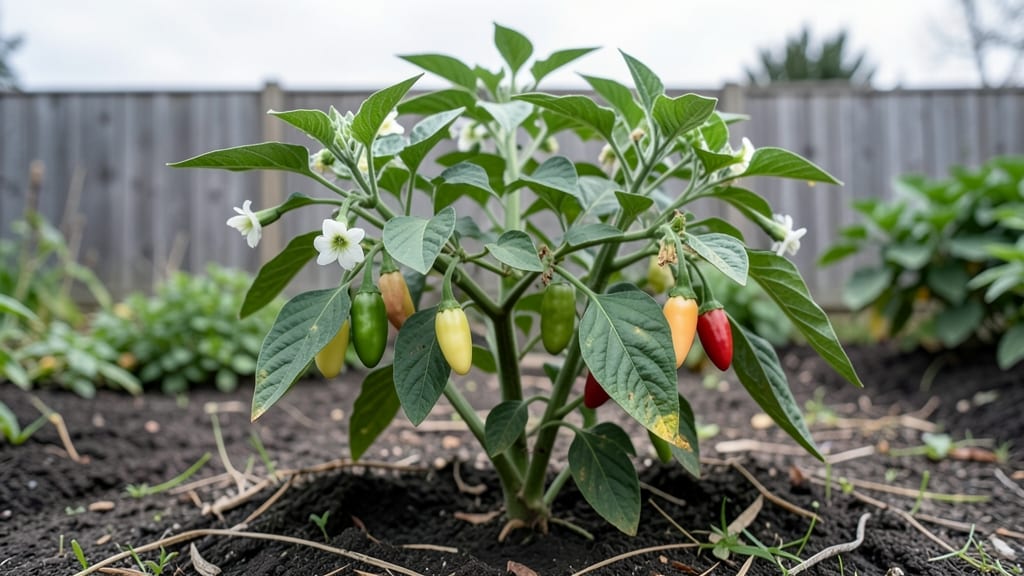
Teardrop pepper seeds promise a fiery harvest in just seven days—if you nail the germination game. I’ve grown these tiny but mighty peppers for years, and the secret to their explosive start isn’t complicated: warmth, patience, and a damp paper towel.
The first green shoot feels like magic after weeks of waiting, especially when you’re craving that bold, smoky heat.
You’ll need a warm spot (70-85°F), a shallow tray, and a mix of peat moss or coconut coir for moisture without drowning the seeds. Most gardeners overwater at this stage—just keep the soil damp, not soggy.
Teardrop peppers pack a punch (50,000-100,000 SHU), so handle seeds carefully, and expect those first seedlings to appear in 7-10 days if conditions are right.
Once sprouted, these peppers grow fast—compact bushes with glossy leaves and clusters of teardrop-shaped pods. The flavor? A smoky, slightly sweet kick that’s perfect for sauces, pickling, or fresh salsas. With proper care, you’ll harvest in 80-90 days, and the plants keep producing all season long.
Fair warning: these little devils attract pests like aphids, so keep an eye out for sticky leaves. A spray of neem oil or introducing ladybugs usually does the trick. The payoff? A shelf of homegrown heat that’ll make your neighbors jealous—and your taste buds dance.
📚 In This Guide
- What you need
- Instructions
- Tips and common mistakes
- Wrapping up and next steps
What you need
- ● Teardrop pepper seeds – 5–10 seeds (or more for larger harvests). Opt for Capsicum annuum varieties like 'Tear Drop' or 'Fish Pepper' for authenticity.
- ● Seed-starting mix – 1–2 cups of lightweight, sterile potting soil (avoid garden soil—it’s too dense!). Look for a mix labeled "seedling" or "organic."
- ● Biodegradable seedling pots or trays – 2–4 small pots (2–3 inches deep) or a seed tray with cell inserts. Pro tip: 💡 Use egg cartons as a budget-friendly alternative!
- ● Spray bottle – For gentle watering (avoid drowning seeds!).
- ● Clear plastic dome or plastic wrap – To create a mini greenhouse and retain humidity.
- ● Grow lights or sunny windowsill – A grow light (LED or fluorescent) is ideal, or place seeds near a south-facing window (6+ hours of sunlight/day).
- ● Fine-mist sprayer – Keeps soil moist without displacing seeds.
- ○ Heating mat (optional but helpful) – Maintains soil warmth (70–85°F) for faster germination. Pro tip: 🌡️ If you lack a mat, place pots on top of a refrigerator or near a warm vent.
- ○ Humidity tray (optional) – A shallow tray with pebbles and water to boost moisture levels.
- ● Plant labels & marker – Track seed varieties and planting dates!
- ● Patience & enthusiasm! – Teardrop peppers germinate in 7–14 days—stay consistent with care.
Instructions for germinating teardrop pepper seeds
Here’s how to kickstart your teardrop peppers with rapid, consistent germination—no waiting weeks for stubborn sprouts.
Prep Seeds and Soil for Faster Germination
Teardrop pepper seeds germinate best when prepped correctly. First, soak the seeds in warm water for 12 hours—this softens the outer coating and speeds up sprouting. Use a small container with 1 cup of distilled or filtered water to avoid chlorine inhibiting germination. After soaking, drain the seeds and let them sit on a paper towel for 30 minutes to dry slightly.
While the seeds prep, fill your seed-starting trays with 2 cups of moistened seed-starting mix. Press the mix lightly into the cells to eliminate air pockets, then water gently until the surface feels damp but not soggy. Teardrop peppers prefer warm soil, so place the trays on a seedling heat mat set to 75-80°F—this ensures germination in just 7 days instead of the usual 2-3 weeks.
Plant Seeds at the Right Depth and Cover Properly
Use a toothpick or pencil to create a ¼-inch-deep hole in each cell of the tray. Place 1-2 seeds per cell—teardrop peppers are small, so a backup seed ensures success. Cover the seeds with a thin layer of the same mix, pressing lightly to secure them without burying too deeply. Over-deep planting delays germination because the seedling must push through more soil.
After planting, mist the surface with a spray bottle until the mix is evenly damp. Cover the tray with a clear plastic dome or wrap it tightly in plastic wrap to retain humidity. Place the tray in a warm, dark location—like a cabinet or under a blanket—until sprouts appear. The goal is to keep the soil consistently warm and moist, which triggers germination faster than cool conditions.
Monitor for Sprouts and Adjust Light Conditions
Check the tray daily for signs of germination, which typically appears in 5-7 days under ideal conditions. You’ll see tiny white roots breaking through the soil first, followed by the cotyledons (the first true leaves). Once sprouts emerge, remove the plastic dome immediately to prevent fungal growth from excess moisture. Teardrop peppers are sensitive to damping-off, so airflow is critical at this stage.
Move the tray to a bright, indirect light source—like a south-facing window or under grow lights—for 12-14 hours daily. Avoid direct sunlight at first, as young seedlings can scorch easily. You’ll know the light is sufficient when the seedlings grow upright with dark green, sturdy leaves rather than stretching toward the light (a sign of legginess). If stems elongate too quickly, reduce the light distance to 2-3 inches above the plants.
Thin Seedlings and Strengthen for Transplanting
Once seedlings develop 2-3 sets of true leaves (about 3-4 weeks after planting), thin the weaker plants by snipping them at the soil line with clean scissors. Leave the strongest seedling per cell, ensuring it has enough space to grow without competing for nutrients. Teardrop peppers thrive in 4-inch pots once they outgrow their trays, so plan to transplant when roots fill the cells.
Hardening off begins 2 weeks before outdoor planting. Start by placing the seedlings in a shaded, sheltered spot for 1 hour daily, gradually increasing exposure to sun and wind over 7-10 days. Watch for wilting or yellowing leaves—these are signs the seedlings aren’t ready for full sun yet. Once hardened off, teardrop peppers are ready for the garden, where they’ll reward you with bold, spicy harvests all season long.
Tips & tricks for perfect teardrop pepper germination
A few strategic moves can transform your germination success rate from hit-or-miss to consistently reliable. Teardrop pepper seeds have specific needs that go beyond basic planting—here's what I've learned after perfecting this process.
The Warmth Factor: Maintaining that 75-80°F soil temperature is non-negotiable for the promised 7-day germination window. If your home stays cooler, consider using a small greenhouse or placing the seed-starting tray on top of your refrigerator (not inside) to create a warm microclimate. The heat mat should cover the entire tray bottom—uneven warmth creates temperature gradients that delay sprouting in cooler spots.
Seed Viability Check: Before committing to the 12-hour soak, test a few seeds by placing them between damp paper towels in a sealed container. Check daily for signs of cracking or tiny root hairs—this confirms they're viable. Discard any seeds that remain unchanged after 48 hours, as they won't germinate regardless of your efforts. This simple pre-screening saves time and prevents disappointment.
Light Transition Strategy: The shift from darkness to light in Step 3 requires careful timing. Once you remove that plastic dome after sprouts appear, place the tray under grow lights immediately rather than waiting for morning. Teardrop pepper seedlings are sensitive to light deprivation—they'll stretch dramatically toward any available light source if kept in darkness too long after germination. Aim for that 12-14 hour light exposure starting from day 1 post-sprout.
Humidity Management: While the plastic dome creates the ideal humidity environment during germination, be vigilant about removing it at the first sign of sprouts. The condensation that forms on the dome's underside can promote fungal growth. I've seen damping-off wipe out entire trays when growers wait too long—watch for blackened stems at the soil line as the first warning sign. A fine misting from your spray bottle maintains moisture without the fungal risk.
Pro Tips for Teardrop Peppers Seeds
- A few strategic moves can transform your germination success rate from hit-or-miss to consistently reliable.
- The Warmth Factor: Maintaining that 75-80°F soil temperature is non-negotiable for the promised 7-day germination window.
- Seed Viability Check: Before committing to the 12-hour soak, test a few seeds by placing them between damp paper towels in a sealed container.
Frequently asked questions
Got questions about growing teardrop peppers from seeds?
Here’s what you need to know—from speedy germination to troubleshooting common hiccups.
How long do teardrop pepper seeds take to germinate?
Teardrop pepper seeds typically sprout in 5–7 days under ideal conditions (70–85°F soil, consistent moisture). With proper warmth and humidity, you might even see tiny sprouts in just 3–4 days! Patience pays off—don’t overwater or move them until you spot those first green tips.
Can I plant teardrop pepper seeds outside directly?
Nope! Teardrop peppers are tropical heat-lovers and need warm soil (at least 60°F) to thrive. Start seeds indoors 8–10 weeks before your last frost, or wait until after all frost risk has passed (usually late spring/early summer). A greenhouse or cold frame can help if you’re in a cooler climate.
Why aren’t my teardrop pepper seeds sprouting?
Common culprits: cold soil, dampness, or old seeds. Try these fixes:
- Move pots to a warmer spot (like a seedling heat mat).
- Check moisture—soil should stay damp, not soggy.
- Test seed viability: Soak a few in water for 24 hours. If they sink, they’re likely good!
What’s the best way to transplant teardrop pepper seedlings?
Hardening off (acclimating seedlings to outdoor conditions) is key! Start 1–2 weeks before transplanting by placing them outside for 2–3 hours daily, gradually increasing time. Plant in full sun, spacing seedlings 18–24 inches apart in well-draining soil. Water deeply before and after transplanting to reduce shock.
Are teardrop peppers hard to grow?
Not at all! They’re beginner-friendly if you meet their three big needs:
- Heat: They hate cold—keep soil warm!
- Sun: At least 6–8 hours daily.
- Patience: Germination is fast, but fruiting takes 70–90 days.
Wrapping up and next steps
Growing teardrop pepper seeds is a rewarding journey that brings bold flavors and fiery excitement to your kitchen in just seven days! Whether you're a seasoned gardener or a curious beginner, these vibrant peppers pack a punch—both in heat and versatility.
With the right tools and patience, you’ll soon be harvesting spice to elevate dishes, infuse oils, or share with fellow pepper enthusiasts.
Ready to take the next step? Start your seeds today—your taste buds (and dinner guests) will thank you! 🌱🔥