How To
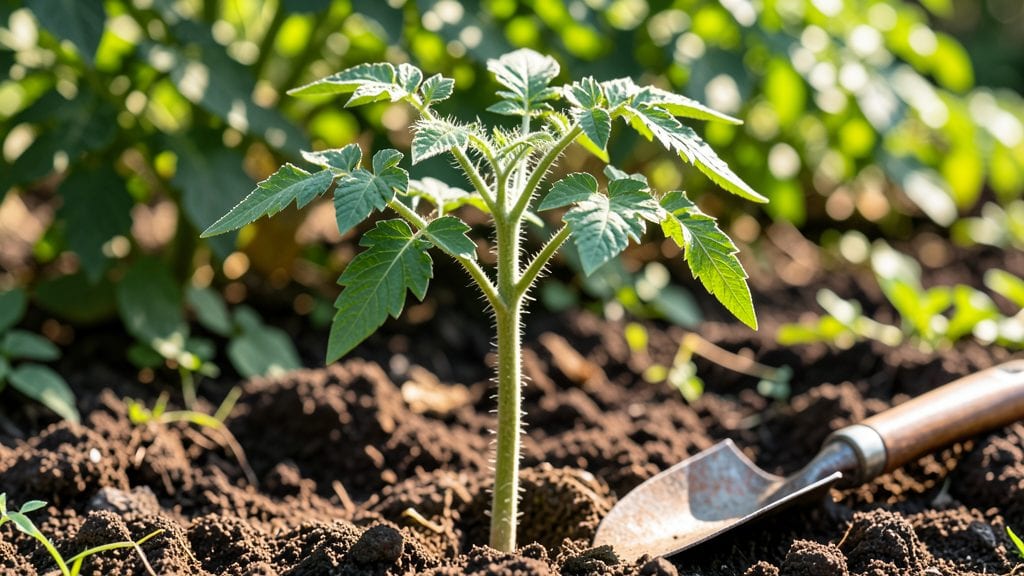
Planting tomato seeds at the right depth is the first step to strong, healthy 🍅 plants that thrive from seed to harvest.
Too shallow, and they dry out before sprouting; too deep, and they struggle to break through the soil. I’ve lost entire trays of seedlings to this mistake—until I learned the science-backed rule that works every time.
Whether you’re starting seeds indoors or direct-sowing in warm soil, the ideal depth balances moisture, oxygen, and light. Get it right, and you’ll see faster germination, sturdier stems, and plants ready for transplanting in just 4-6 weeks.
Here’s exactly how deep to plant tomato seeds, plus the common mistakes that sabotage germination—and how to fix them.

Optimal tomato seed depth by seed type: rules for germination success
Planting tomato seeds at the wrong depth is one of the most common mistakes gardeners make—yet it’s also the easiest to fix. Too shallow, and seeds dry out before sprouting; too deep, and seedlings struggle to break through the soil, leading to weak, leggy plants.
The key lies in understanding how seed type (bare seeds, pellets, or pre-sprouted) and soil conditions dictate the perfect planting depth. Master these rules, and you’ll see 90%+ germination rates in just 7–14 days.
Tomato seeds need three critical things to germinate: moisture, warmth, and light. While moisture and warmth are controlled by your soil mix and environment, light exposure is directly tied to planting depth.
Seeds planted too deep may never reach light, while those planted too shallow dry out. The solution? Follow the seed type-specific guidelines below to ensure your seeds get the perfect balance.
Here’s the breakdown: bare seeds (tiny, dry) need minimal coverage to stay moist but still access light, while seed pellets (coated seeds) and pre-sprouted seeds (already germinated) have different needs. Ignore these differences, and you risk wasting seeds—or worse, ending up with a tray of failed sprouts.
Let’s dive into the exact depths for each type, plus the soil conditions that make or break germination.
| Seed Type | Optimal Depth | Soil Temp for Germination | Moisture Needs | Germination Time |
|---|---|---|---|---|
| Bare Seeds | ¼ inch (0.6 cm) | 70–85°F (21–29°C) | Keep soil damp (not soggy) | 7–14 days |
| Seed Pellets | ½ inch (1.3 cm) | 65–75°F (18–24°C) | Consistent moisture (pellets dry slower) | 10–21 days |
| Pre-Sprouted Seeds | ½ inch (1.3 cm) max | 60–70°F (15–21°C) | Light moisture (avoid overwatering) | 5–10 days |
A ¼-inch depth for bare seeds might seem shallow, but it’s the sweet spot: enough soil to retain moisture while still allowing light to reach the seed. Use a toothpick or pencil to mark your planting lines if you’re sowing multiple seeds in a tray.
For seed pellets, the extra ¼ inch accounts for their thicker coating, which slows moisture loss. Pre-sprouted seeds are the most delicate—plant them too deep, and they’ll suffocate; too shallow, and they dry out. Aim for just enough coverage to hold them in place.
Soil temperature is just as critical as depth. Tomato seeds won’t germinate below 50°F (10°C), and ideal conditions hover around 70–85°F (21–29°C). Use a seedling heat mat if your soil is cooler than 60°F (15°C), especially in early spring or fall.
Pro tip: Place your seed tray on a sunny windowsill or under grow lights to maintain warmth. A simple digital thermometer ($10–$15) ensures you’re in the perfect range.
Moisture is the final piece of the puzzle. After planting, mist the soil lightly with a spray bottle to avoid disturbing seeds. Then, cover the tray with plastic wrap or a humidity dome to trap moisture—this mimics the humid conditions seeds need to sprout.
Check daily and remove the cover once sprouts appear to prevent fungal diseases like damping-off. Overwatering is just as harmful as underwatering; aim for consistently damp, not soggy, soil.
If you’re planting outdoors, wait until the soil temperature at 2 inches deep reaches at least 60°F (15°C). Use a soil thermometer to check—cold soil slows germination and can lead to weak seedlings.
For container gardening, pre-warm your soil mix by placing the pots in a sunny spot for 24 hours before sowing. This simple step can cut germination time by 3–5 days.
Here’s a quick troubleshooting guide if your seeds aren’t sprouting: No sprouts after 14 days? Check soil moisture and temperature first. Seeds rotting? You’re overwatering—let the soil dry slightly between waterings. Sprouts emerging but dying? Likely damping-off fungus from excess moisture; improve airflow by thinning seedlings.
Adjusting these factors can turn a failed batch into a thriving one overnight.
Once your seedlings have 2–3 true leaves (not just the initial seed leaves), it’s time to transplant
Common mistakes that kill tomato seedlings (and how to fix them)
Even experienced gardeners sometimes struggle with tomato seedlings that refuse to thrive. The culprit? Planting seeds at the wrong depth. Too shallow, and seeds dry out before sprouting; too deep, and they’ll suffocate, waiting for light that never comes.
Both extremes lead to leggy stems, rot, or seedlings that never emerge at all. The good news? Fixing these mistakes is simple once you know the signs and solutions.
Let’s start with the most critical mistake: planting seeds at the wrong tomato seed depth. Most gardeners overcomplicate this step, but the truth is simple—tomato seeds need just enough soil to protect them from drying out while allowing light to reach them.
The ideal depth is ¼ inch (about the thickness of a nickel), but many end up burying seeds too deep or leaving them exposed. This small detail makes all the difference between a thriving tomato plant and a failed attempt.
Planting tomato seeds too deep (over ½ inch) traps moisture and blocks light, causing seeds to rot or sprout with weak, stretched stems. Planting too shallow (less than ¼ inch) exposes seeds to drying out before germination. The sweet spot? ¼ inch deep—just enough soil to shield seeds while still allowing light to penetrate.
One of the first signs of improper planting depth is leggy seedlings. These are seedlings that stretch desperately toward the light, growing tall and thin with weak stems. This happens when seeds are planted too deep—they exhaust their energy reserves trying to reach the surface.
To fix this, thin your seedlings and ensure future plantings are at the correct ¼-inch depth. If you’ve already planted too deep, don’t panic: gently scrape away excess soil to expose the stem just below the soil line.
Another common issue is slow sprouting or seeds that never emerge. If your seeds take longer than 7-14 days to sprout (or don’t sprout at all), check the soil moisture and depth.
Seeds planted too deep may not have enough energy to break through, while those planted too shallow dry out. Keep the soil consistently moist but not soggy, and use a seedling heat mat if your soil temperature drops below 70°F. A quick fix?
Replant any remaining seeds at the correct depth in a fresh, warm soil mix.
Rot is another red flag. If you notice dark, mushy spots on your seeds or seedlings, it’s a sign of overwatering combined with improper depth. Seeds planted too deep suffocate in damp soil, leading to fungal growth. To prevent rot, use a well-draining seed-starting mix and avoid overwatering.
If you spot rot, remove affected seedlings immediately and adjust your planting technique. For future plantings, ensure seeds are only ¼ inch deep and the soil is lightly moistened—not saturated.
To troubleshoot germination problems, use this quick diagnostic checklist: ☑️ Are seeds planted ¼ inch deep? If not, adjust immediately. ☑️ Is the soil consistently moist but not soggy? Use a spray bottle for gentle watering. ☑️ Is the soil temperature at least 70°F?
Use a heat mat if needed. ☑️ Are seedlings receiving bright, indirect light? Move them closer to a south-facing window or use grow lights. ☑️ Are there signs of rot or legginess? Thin seedlings and replant any affected ones correctly.
With these fixes, your tomato seedlings will sprout faster, grow stronger, and reward you with a bountiful harvest. The key is paying attention to the details—especially that ¼-inch depth—and adjusting your care based on what you observe. Happy planting! 🌱