
Lawn
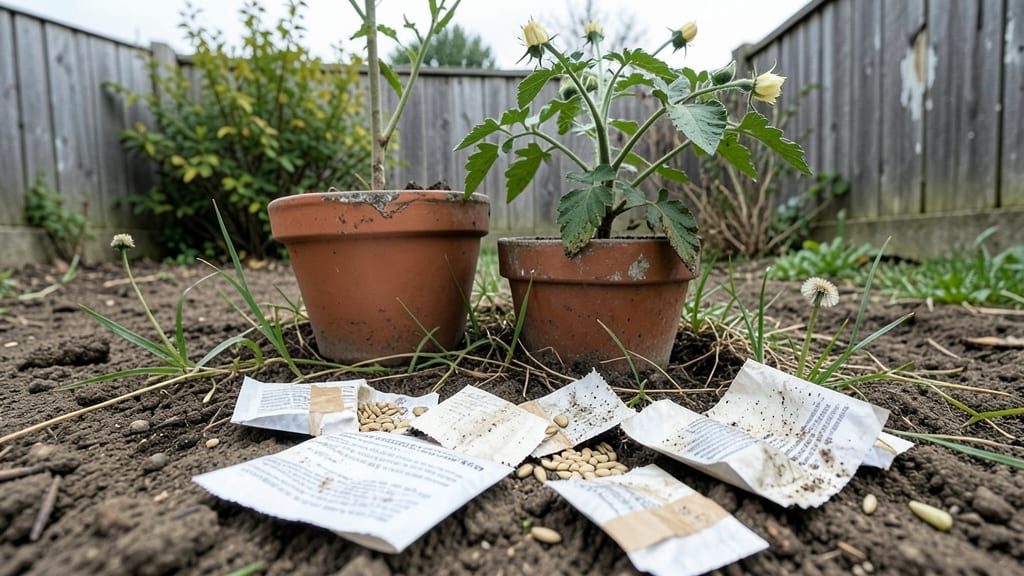
Unsolicited seed packages arrive like gardening's version of junk mail—except these come with the potential to grow weeds or invasive plants in your yard. 🌱 I've dealt with enough mystery seed packets to know the first step is figuring out where they came from: seed companies testing new varieties, wind-blown seeds from neighbors' gardens, or even accidental drops from delivery trucks.
The legal angle is simpler than you'd think: most unsolicited seeds aren't illegal to receive, but planting them without knowing their origin can lead to problems. Return them to sender if possible, or check local regulations before tossing them—some states treat invasive species differently.
I always test viability first by planting a few in a small pot to see what grows before making a permanent decision.
You'll either end up with a surprise garden full of unexpected blooms or a pile of seeds you can safely discard. The key is acting fast—seeds lose viability quickly, and unwanted plants can spread before you know it.
A quick internet search for the seed packet's logo or design often reveals its source and whether it's safe to plant.
For next time, opt out of seed company mailing lists and consider securing your garden beds with lightweight fabric until you're ready to plant. It's the best way to avoid this headache entirely while keeping your garden's future under your control.
📚 In This Guide
- What you need
- Instructions
- Tips and common mistakes
- Wrapping up and next steps
What you need
- ● Unsolicited seed packages – Collect all received packages (check mailboxes, porches, and outdoor storage).
- ● Heavy-duty trash bags – 2-3 thick, leak-proof bags (10-15 gallons each) for secure disposal.
- ● Scissors or box cutter – For safely opening sealed packages without tearing them open.
- ● Disposable gloves – Nitrile or latex-free (1-2 pairs) to avoid skin contact with seeds or potential contaminants.
- ○ Bleach solution (optional but recommended) – 1 part bleach to 9 parts water (1 gallon) for sanitizing seeds before disposal.
- ● Local waste disposal guidelines – Verify if your area requires special handling (e.g., hazardous waste drop-offs for certain seeds).
- ● Sealable plastic bags – For temporarily storing seeds before disposal (prevents spills).
- ● Spray bottle – To dampen seeds before sealing bags (reduces dust and spread).
- ● Labeling tape/marker – To mark bags as "Hazardous Waste – Do Not Open" if required.
- ● Compost bin (for organic seeds only) – If seeds are non-invasive, non-GMO, and local regulations permit.
- ● Local agricultural extension office contact – For guidance on regional disposal laws or invasive species risks.
Step-by-Step instructions for handling unsolicited seed packages
Here's how to deal with unexpected seed packages without breaking the law or wasting resources.
📦 Step 1: Verify the Package Contents and Sender
First, check if the seeds are actually unsolicited by reviewing your recent orders or subscriptions. Sometimes packages get mislabeled or sent to the wrong address. If you're certain they're unwanted, note the sender's information—this helps with reporting later. Look for any return instructions or contact details printed on the package.
Open the package carefully to inspect the seeds. If they're still in their original packaging, you'll have an easier time returning them. Document the condition of the seeds and packaging with photos—this can be useful if you decide to report the sender or file a complaint.
📞 Step 2: Check Local Laws and Return Policies
Unsolicited seeds may be illegal depending on your state or country. Check local regulations to see if they're prohibited or require special handling. Many states regulate the sale and distribution of seeds, especially for restricted or invasive species. If the seeds are legal, look for return instructions on the package or the sender's website.
If there's no return policy, contact the sender directly via their customer service or the address listed on the package. Politely explain the situation and ask for instructions on returning or disposing of the seeds. Keep a record of this communication in case you need to escalate the issue later.
✉️ Step 3: Return or Dispose of the Seeds Legally
If the sender provides a return label or instructions, follow them carefully. Place the seeds back in their original packaging, seal it securely, and ship it within the specified timeframe. Avoid opening or altering the package further—this could void the return or make it harder to process.
If returning isn't an option, dispose of the seeds legally. Seal them in a plastic bag and place them in your trash or recycling bin, depending on local guidelines. Never plant unsolicited seeds, even if they look harmless—some may be invasive or illegal in your area. Double-check with your local agricultural extension office if you're unsure.
🚨 Step 4: Report the Issue if Necessary
If the seeds are illegal or the sender refuses to accept a return, report the incident to the appropriate authorities. In the U.S., you can file a complaint with the USDA or your state's department of agriculture. Provide them with the sender's details, photos of the seeds, and any communication you've had with the company.
You can also report the issue to the Federal Trade Commission (FTC) or your state's attorney general's office. Include all relevant details, such as the package tracking number, sender information, and any return policy violations. This helps prevent others from receiving unwanted or illegal seeds in the future.
🌱 Step 5: Prevent Future Unsolicited Seed Packages
To avoid receiving more unsolicited seed packages, be cautious when sharing your address online or with companies. Avoid entering your address in sweepstakes, contests, or freebie offers unless you're certain they're legitimate. Use a separate email address for online purchases to filter out promotional offers.
If you frequently receive unwanted mail, consider signing up for the USPS Mail Preference Service or similar services in your country. This helps reduce the volume of unsolicited mail and packages. You can also request that your name be removed from marketing lists by visiting DMAchoice.org.
Tips & tricks for handling unsolicited seed packages
Dealing with unexpected seed packages can be confusing, but these practical tips will help you navigate the process smoothly and legally.
Document Everything: In Step 1, when you're verifying the package, take clear photos of the seeds, packaging, and sender information. I've found that having visual evidence makes reporting easier and more credible. Store these photos in a folder labeled with the date and sender—this creates a paper trail if you need to escalate the issue later.
Local Regulations Matter: Before taking any action in Step 2, check your state's agricultural regulations. Some seeds may be illegal to possess or distribute, while others might require special permits. I once accidentally planted unsolicited seeds that turned out to be invasive—always verify first! Contact your local agricultural extension office if you're unsure about specific seeds.
Return Process Efficiency: When following Step 3's return instructions, use the sender's prepaid return label if available. If not, create your own return shipping label and keep all documentation. I recommend sending returns within 7 days of receiving the package to avoid any potential issues with the sender. For international packages, check customs regulations before returning.
Disposal Safety Net: If you need to dispose of seeds legally as mentioned in Step 3, add a note to your trash bag explaining they're unsolicited seeds. This prevents any confusion if waste management services have specific regulations. For particularly concerning seeds, consider contacting your local waste disposal authority for proper handling instructions.
Pro Tips for Unsolicited Seed Packages
- Dealing with unexpected seed packages can be confusing, but these practical tips will help you navigate the process smoothly and legally.
- Document Everything: In Step 1, when you're verifying the package, take clear photos of the seeds, packaging, and sender information.
- Local Regulations Matter: Before taking any action in Step 2, check your state's agricultural regulations.
Frequently asked questions
Got questions about those mysterious unsolicited seed packages? You’re not alone! Here are some of the most common concerns—and their answers—to help you navigate this unexpected delivery with ease.
Why am I getting unsolicited seed packages in the mail?
Companies often send these as part of seed giveaways or marketing campaigns to promote their products. Some states even require seed distributors to send free samples to residents. It’s not spam—just a clever way to get you interested in gardening (or at least curious about what’s inside!).
When is the best time to plant these seeds?
Check the seed packet instructions for planting dates—most include a frost chart or seasonal guidelines. If no info is provided, research the plant type online. Pro tip: Start cool-season crops (like lettuce or peas) early spring or fall, while warm-season seeds (tomatoes, peppers) thrive after the last frost. Always plant at the right depth!
What should I do if I don’t want the seeds?
No problem! Legally dispose of them by:
- Burning (if allowed in your area—check local burn regulations).
- Trashing in sealed bags (avoid composting—some seeds may sprout!).
- Mailing back to the sender (include a note if possible).
Never toss them in recycling or reuse them for anything other than gardening.
Can I grow these seeds, or are they just for show?
Most unsolicited seeds are viable and can be planted! However, some may be hybrid varieties (marked "F1" on the packet), which won’t produce true seeds if saved. If you’re unsure, test a few—you might discover a new favorite plant! Just be patient; germination times vary by type.
What if the seeds don’t grow, or something goes wrong?
Don’t stress! Seed issues can stem from:
- Incorrect planting depth/temperature (too deep or cold soil can stall growth).
- Over/under-watering (most seeds need consistent moisture but hate soggy soil).
- Pests or disease (remove affected plants immediately to prevent spread).
If all else fails, contact the sender—they may offer replacements or gardening tips!
Wrapping up and next steps
Unsolicited seed packages can feel like a mystery—but now you’ve got the tools to handle them safely and legally! Whether you’re reporting, recycling, or composting, your actions help protect the environment and avoid legal trouble. You’re part of the solution!
Ready to take the next step? Check your local regulations one last time, then dispose of those seeds with confidence. And if you’re curious about gardening, why not explore safe seed-swapping tips next? Your green thumb is waiting! 🌱