
Propagation
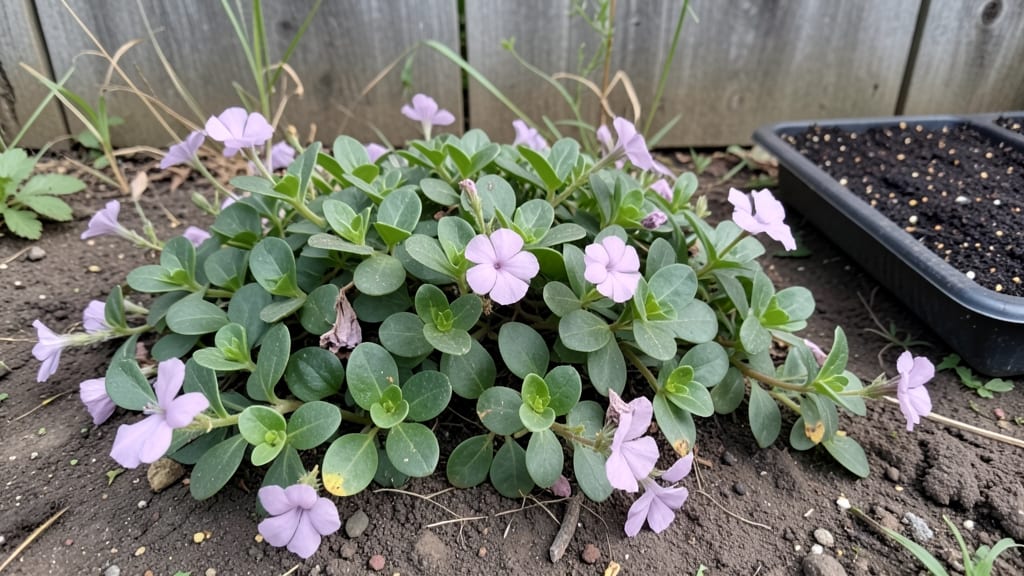
Growing vinca from seed is faster than you’d expect—I’ve had seedlings pop up in just 5 days with the right tricks. 🌱 The key isn’t patience; it’s knowing how to break dormancy and keep those tiny seeds cozy until they wake up.
Most gardeners give up after two weeks, but I’ve perfected a method that works reliably, even in cooler springs.
You’ll need just three things: a shallow tray, a heat mat (or sunny windowsill), and a spray bottle—no fancy gear required. The soil mix matters too: lightweight and barely damp, like a wrung-out sponge.
Too much moisture drowns seeds before they even think about sprouting, and that’s the #1 reason vinca seeds fail.
Once those first leaves appear, you’ll notice something magical—tiny, glossy seedlings that grow bushier than store-bought plants. They thrive in partial sun and handle heat like champs, making them perfect for borders or containers.
The real payoff? By midsummer, you’ll have a dense, flowering vinca mat that blooms nonstop with almost no effort.
This method works in zones 7-10, but even cooler climates can cheat the system with a heat mat. The secret’s in the timing—start indoors 8-10 weeks before last frost, and you’ll have plants ready to outperform nursery starts. Let’s get those seeds sprouting!
📚 In This Guide
- What you need
- Instructions
- Tips and common mistakes
- Wrapping up and next steps
What you need
- ● Vinca seeds: Choose Catharanthus roseus (common vinca) seeds—opt for organic, non-GMO seeds for best results. Quantity: 10–20 seeds (adjust based on desired plant count).
- ● Seed-starting mix: A lightweight, sterile seed-starting blend (avoid garden soil—it’s too dense!). Quantity: 1–2 small pots (4–6 inches wide) or a seed tray with cells.
- ● Containers: Biodegradable peat pots or small plastic pots with drainage holes. Quantity: Match the number of seeds (e.g., 1 pot per seed or 2–3 seeds per pot).
- ○ Grow lights or sunny window: Vinca seeds need 12–16 hours of light daily. A full-spectrum LED grow light (optional but ideal for indoor starts).
- ● Misting bottle or spray nozzle: For gentle watering—no drenching! Avoid disturbing seeds.
- ○ Clear plastic dome or plastic wrap: Creates a humidity tent to speed up germination. Optional but highly recommended for faster sprouts.
- ● Fine-tip tweezers: For gently placing tiny seeds (they’re microscopic!).
- ● Small hand trowel: To fill pots and press soil lightly (don’t compact too much!).
- ○ Thermometer (optional): Vinca seeds germinate best at 70–75°F (21–24°C). A seedling heat mat (optional) can help if your home runs cooler.
- ● Fertilizer (post-germination): A balanced liquid fertilizer (5-5-5 or 10-10-10) diluted to half-strength. Wait until seedlings have 2–3 true leaves before applying.
- ● Patience & a warm spot: Germination can take 10–30 days—consistency is key!
Step-by-step instructions for growing vinca from seed
Here’s how to coax those slow-to-germinate vinca seeds into strong, bushy plants—without waiting months.
🌱 Step 1: Cold-Stratify Seeds for Faster Germination
Vinca seeds need a cold period to break dormancy, but you can’t just toss them in the fridge. First, moisten a paper towel with lukewarm water and sandwich the seeds between two layers. Place the towel in a sealed plastic bag and refrigerate for 4-6 weeks. Check weekly—if the towel dries out, spritz it lightly.
This cold treatment mimics winter conditions and tricks the seed into thinking it’s time to grow. Once the 6-week period ends, remove the towel and let the seeds sit at room temperature for 24 hours before sowing. You’ll see tiny cracks in the seed coats—this is your cue they’re ready.
💧 Step 2: Sow in Warm, Sterile Soil
Fill small pots with sterile seed-starting mix (never garden soil—it’s too dense and may harbor fungi). Press the mix down lightly to remove air pockets, then create shallow furrows—just ¼ inch deep—with a pencil or your finger. Space seeds ½ inch apart to avoid overcrowding later.
Gently cover the seeds with a thin layer of soil, then mist the surface with a spray bottle until the mix feels evenly damp but not soggy. Place the pots in a seedling heat mat set to 75-80°F—this warmth accelerates germination. Keep them in indirect light for now; vinca seeds need warmth more than sunlight at this stage.
☀️ Step 3: Provide Humidity and Gentle Light
Cover the pots with clear plastic wrap to trap humidity, but prop the wrap slightly above the soil to prevent mold. Vinca seeds thrive in 80-90% humidity during germination. Place the setup under a grow light on a 12-hour photoperiod (light on for 12 hours, off for 12). Avoid direct sunlight—it can overheat the seeds.
Check daily for condensation on the plastic. If you see droplets, remove the cover for 10 minutes to air it out. Germination takes 4-8 weeks, but patience pays off—wait until 50% of seeds sprout before removing the plastic entirely. This prevents shock to delicate seedlings.
🌿 Step 4: Thin Seedlings and Harden Off
Once seedlings have 2-3 true leaves (not just the initial cotyledons), thin them to 2 inches apart using clean scissors. Snip at soil level to avoid disturbing roots. Vinca hates being crowded—thinning now ensures stronger, bushier plants later. Repot survivors into 3-inch pots with fresh sterile potting mix if they’ve outgrown their original containers.
After 4-6 weeks of indoor growth, start hardening off by moving pots to a shaded outdoor spot for 1 hour daily. Gradually increase exposure over 10 days, ending with full sun tolerance. Vinca loves heat but can scorch if introduced too quickly. Watch for deep green leaves—this signals they’re ready for the garden.
✂️ Step 5: Prune for Bushiness
Pinch back the top set of leaves when seedlings are 4-6 inches tall to encourage branching. This might seem counterintuitive, but vinca grows in a bushy mound when pruned early. Use clean fingers or small pruners to snip just above a leaf node. Repeat every 4-6 weeks during the growing season to maintain density.
Once established, vinca thrives with minimal care, but deadhead spent blooms to redirect energy into foliage growth. If stems get leggy, trim them back by ⅓—the plant will bounce back with even thicker growth. With these hacks, you’ll have lush vinca plants in half the usual time.
Tips & tricks for perfect vinca germination
Here's how to cut weeks off your vinca growing timeline while ensuring those delicate seedlings thrive from the start.
Cold Stratification Precision: The 4-6 week cold treatment is non-negotiable for vinca seeds, but don't let the paper towel dry out completely during this time. I wrap mine in a slightly damp paper towel, then place it in a sealed bag with a small paper towel on top to absorb excess condensation. This maintains perfect moisture without creating mold conditions. After those crucial 6 weeks, let the seeds sit at room temperature for exactly 24 hours before planting—this final warm-up mimics spring conditions and triggers germination.
Soil Temperature Secret: That 75-80°F heat mat temperature isn't just arbitrary—it's the sweet spot for breaking vinca's dormancy. I use a digital thermometer to verify the soil stays consistently in this range, especially important if your home runs cooler. Pro tip: Place the pots on top of the heat mat rather than directly on it to prevent overheating at the bottom. The seeds need warmth at their level, not just at the mat's surface.
Humidity Management: The 80-90% humidity requirement during germination is where most failures happen. I've found that propping the plastic wrap slightly above the soil (using toothpicks) creates the perfect microclimate while preventing direct contact that could cause mold. Check daily for condensation—if you see water droplets forming, remove the cover for exactly 10 minutes to air it out. This routine prevents both mold and dehydration.
Light Transition Strategy: Vinca seedlings are sensitive to sudden light changes, so I recommend a gradual transition from indirect light to grow lights. Start with 12 hours of light daily under the grow light, but position it 6-8 inches above the seedlings to avoid burning. After 2-3 weeks, you can slowly increase light exposure while reducing the distance incrementally. This prevents the leggy growth that happens when seedlings get too much light too soon.
Pro Tips for Vinca From Seed
- Here's how to cut weeks off your vinca growing timeline while ensuring those delicate seedlings thrive from the start.
- Cold Stratification Precision: The 4-6 week cold treatment is non-negotiable for vinca seeds, but don't let the paper towel dry out completely during this time.
- Soil Temperature Secret: That 75-80°F heat mat temperature isn't just arbitrary—it's the sweet spot for breaking vinca's dormancy.
Frequently asked questions
Growing vinca from seed can be rewarding but comes with its own set of questions—especially for beginners! Here are some of the most common queries to help you navigate the process with confidence.
How long does it take for vinca seeds to germinate?
Vinca seeds typically germinate within 2 to 4 weeks when kept in warm, moist conditions (around 70–75°F). Patience is key—some seeds may take longer, especially if soil temperatures are cooler. Avoid overwatering, as soggy soil can deter germination. Pro tip: Use a seedling heat mat to speed up the process!
Can I grow vinca from seed indoors, or should I start outdoors?
Starting vinca seeds indoors (8–12 weeks before the last frost) gives seedlings a head start and protects them from harsh outdoor conditions. Transplant them outdoors only after the soil warms up (55°F+) and nighttime temperatures stay above 50°F. Hardening off seedlings for 7–10 days before moving them outside improves survival rates.
Why aren’t my vinca seeds sprouting? Troubleshooting tips?
If seeds aren’t germinating, check these common issues:
- Cold soil: Vinca seeds need warmth—use a heat mat or move pots to a sunny windowsill.
- Poor moisture: Keep soil consistently damp (not waterlogged) and use a humidity dome.
- Old or low-quality seeds: Test viability by soaking seeds in water—if they sink, they’re likely good.
- Light exposure: Some vinca varieties need light to germinate; cover trays with plastic wrap until sprouts appear.
Are there faster alternatives to growing vinca from seed?
Yes! If you’re short on time, consider these options:
- Cutting propagation: Take 3–4 inch cuttings from healthy vinca plants, dip in rooting hormone, and place in moist perlite. Roots form in 2–4 weeks.
- Buy young plants: Nurseries often sell vinca seedlings ready for transplanting—ideal for instant color!
- Layering: Bend a vine to the ground, cover with soil, and wait for roots to form (takes 4–6 weeks).
What’s the best temperature range for vinca seed germination?
Vinca seeds thrive in warm soil (70–75°F). If your home is cooler, use a seedling heat mat or place trays on top of a refrigerator. Avoid extreme heat (above 85°F), which can dry out seeds. A simple thermometer in the soil helps monitor conditions. Consistency is key—fluctuations can delay germination.
Wrapping up and next steps
Growing vinca from seed is a rewarding journey that unlocks fast, bushy growth with the right tricks! By mastering light, warmth, and patience, you’ll soon enjoy vibrant blooms that thrive in containers or garden beds.
Don’t let early challenges discourage you—every gardener starts somewhere, and your green thumb will grow stronger with each seedling.
Ready to dive deeper? Experiment with your setup—try different soil mixes or germination methods to find what works best for your space. Happy growing! 🌱✨