
Pruning
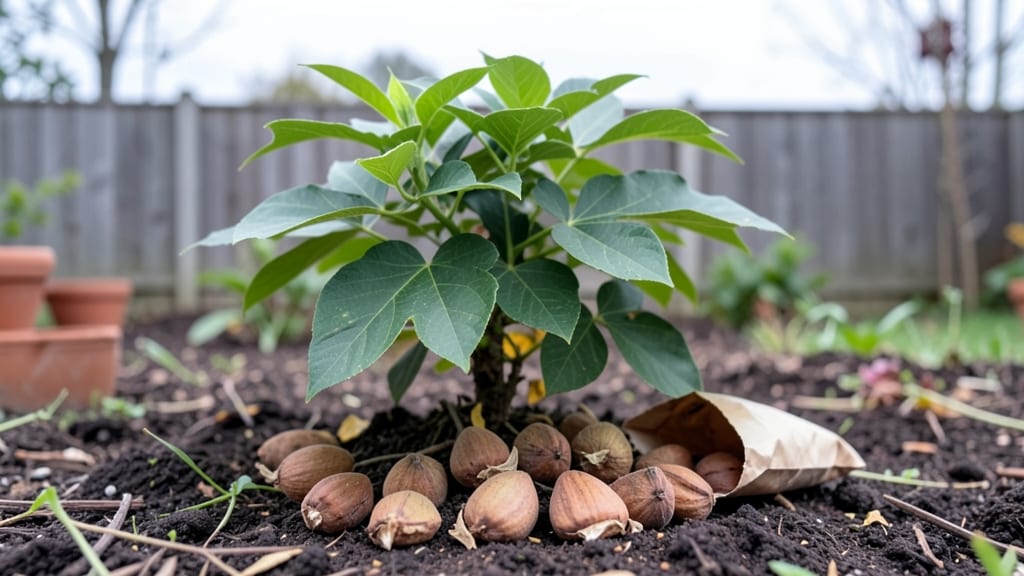
Dollar Tree sells seeds in 2024, offering budget-friendly flower, vegetable, and herb packets—though availability depends on your store's seasonal restocking schedule.
If you're looking for an affordable way to start a garden, Dollar Tree's seed selection delivers great value for common varieties. 💛 Their herb packets (like basil and parsley) are perfect for container gardening, while vegetable seeds such as cherry tomatoes and green beans appear regularly during spring and summer months.
The key is checking your local store's gardening section—some locations even carry wildflower mixes for pollinator-friendly landscapes. Since their inventory rotates seasonally, I recommend calling ahead or visiting during early spring when their seed selection tends to be freshest.
What sets Dollar Tree apart is their price point—you can often buy multiple seed packets for under $5, making it ideal for beginners or small-space gardeners. However, if you're hunting for heirloom varieties or organic seeds, you'll likely need to supplement with other retailers.
The trade-off? Their fast germination rates on popular picks like sunflowers and marigolds make them a reliable starting point for any gardening project.
💡 In This Article
- Dollar Tree Seed Varieties and Seasonal Availability
- Maximizing Your Dollar Tree Seed Shopping Experience
Dollar Tree seed varieties and seasonal availability
Dollar Tree's seed selection typically revolves around three core categories: vegetable seeds, flower seeds, and herb seeds, with a strong emphasis on varieties that thrive in standard home gardening conditions.
The vegetable offerings often include cherry tomatoes (like 'Sweet 100' or 'Sun Gold'), green beans (bush varieties), and lettuce mixes, which are designed for quick harvests—ideal for beginners. Flower seeds frequently feature sunflowers (with heights ranging from 3-6 feet), marigolds (for pest control), and cosmos (which attract pollinators).
These choices reflect Dollar Tree's focus on high-germination, fast-growing varieties that deliver visible results within 6-8 weeks.
The seasonal availability follows a predictable pattern tied to planting windows. In early spring (March-May), you'll find the widest selection of cool-season vegetables like radishes (ready in 25 days) and spinach, alongside annual flowers such as zinnias and pansies.
Summer months (June-August) shift toward heat-tolerant varieties: okra, peppers, and sunflowers dominate, while fall restocking (September-November) often includes kale, carrots, and pansies for winter interest.
This rotation ensures seeds remain fresh for their optimal planting seasons, though inventory can vary by region and store location—some southern stores may carry year-round tropical varieties like basil or bok choy.
What makes Dollar Tree's pricing strategy so effective is their $1-per-packet model, which undercuts competitors like Walmart (typically $2-$3 per packet) and Home Depot (often $3-$5+ for premium brands).
This affordability stems from bulk purchasing generic seeds from major distributors, though it comes with trade-offs: packaging is minimal (often just a small plastic envelope), and germination rates may lag slightly behind organic or heirloom brands.
For example, while Dollar Tree's sunflower seeds might sprout 70-80% of the time, organic sunflower seeds from competitors can reach 90%+. The real value lies in their cost-per-plant ratio—you can grow an entire 10-plant tomato garden for under $5, compared to $15-$20 at big-box stores.
Here's what sets Dollar Tree apart from competitors when comparing seed offerings:
- Price per packet: $1 vs. Walmart's $2-$3 or Home Depot's $3-$5+
- Variety breadth: 10-15 types per season vs. 30+ at specialty nurseries
- Packaging: Basic plastic vs. seed-saving paper envelopes at organic stores
- Germination consistency: 70-85% for popular varieties vs. 85-95% for premium brands
The trade-off? Dollar Tree's seeds excel in quantity and budget-friendliness but lack the specialty traits of competitors. For instance, their basil seeds will grow into productive plants, but you won't find disease-resistant varieties or specific heirloom strains like 'Genovese' that cost $4-$6 elsewhere.
The sweet spot is using Dollar Tree for staple crops while supplementing with higher-end seeds for specialty vegetables (like eggplants or peppers) or cutting flowers (such as snapdragons).
What most gardeners don't realize is how Dollar Tree's seed selection aligns with urban gardening trends. Their packets are sized for container growing—most herb and vegetable seeds fit 5-inch pots—making them perfect for balconies or small yards.
The flower mixes often include self-seeding varieties like cosmos or morning glories, which encourage multi-year growth without replanting. This makes Dollar Tree an unexpectedly strong choice for community gardens or school programs where budget constraints are common.
For the best results, pair Dollar Tree seeds with their $1 garden tools (like trowels and gloves) and $1.25 seed-starting kits. This creates a complete starter garden system for under $10, compared to $30-$50 at traditional nurseries.
The key is planting early—Dollar Tree's seeds perform best when sown at the optimal time for your zone, which you can find on the back of each packet (though their planting charts are basic).
With this approach, you're not just saving money—you're building a sustainable gardening foundation that grows with your skills. 💫