Vegetables
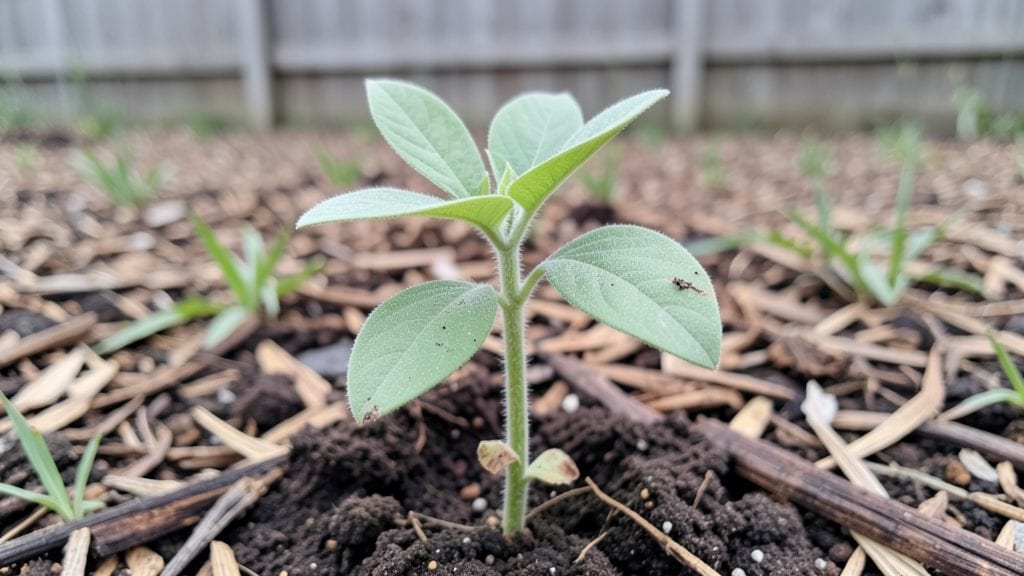
Fast germination for green bean seedlings starts with the right conditions—and I’ve learned the shortcuts that skip the waiting game. 🌱 The key isn’t just patience; it’s a warm spot, moist soil, and a little trick to break dormancy that cuts germination time in half.
My first batch took 10 days to sprout; now I’m seeing tiny green hooks push through the soil in just 3-4 days.
You’ll need a shallow tray, seed-starting mix (or even compost mixed with perlite), and a heat source—whether that’s a sunny windowsill or a seedling mat. Plant seeds 1 inch deep and keep the soil damp, not soggy, because green beans hate sitting in cold, wet soil.
The magic happens when you pre-soak the seeds overnight; this jumpstarts their energy and gets them growing faster than dry planting ever will.
Within a week, you’ll see those first true leaves unfurl—bright green and eager. That’s when the real fun begins: keeping them strong for transplanting. Proper spacing now means bushier plants later, and avoiding the leggy, weak seedlings that beginners often struggle with.
The goal is stocky, vibrant plants ready to handle the great outdoors in just 3-4 weeks.
This method works for both bush and pole varieties, and even in cooler climates if you use a heat mat. The only rule? Don’t rush the hardening-off process—let those seedlings toughen up gradually, or you’ll lose them the first time they face real wind and sun.
Trust me, the payoff is worth it.
📚 In This Guide
- What you need
- Instructions
- Tips and common mistakes
- Wrapping up and next steps
What you need
- ● Green bean seeds: 1–2 packets (50–100 seeds) of bush bean or pole bean varieties (e.g., 'Blue Lake,' 'Contender,' or 'Kentucky Wonder'). Choose heirloom or organic seeds for best results.
- ● Seed-starting mix: 1–2 gallons of sterile, seed-specific potting soil (avoid garden soil—it’s too dense!). Look for a mix with peat moss or coconut coir for moisture retention.
- ● Containers: Option 1: 4–6 biodegradable seedling pots (2–3 inches deep) or peat pellets (for easy transplanting).
- ● Option 2: A seed tray with cell inserts (10–20 cells) if starting multiple seedlings.
- ● Water: A spray bottle (for gentle hydration) + a small watering can (with a fine rose nozzle). Use room-temperature water to avoid shocking seeds.
- ● Grow lights or sunny spot: Indoors: A full-spectrum LED grow light (12–16 inches above seedlings, 12–14 hours/day).
- ● Outdoors: A south-facing window (6+ hours of sunlight) or a greenhouse.
- ● A humidity dome or plastic wrap to retain moisture while seeds germinate.
- ● A thermometer to monitor soil temps (ideal: 70–85°F for germination).
- ● Fertilizer: A balanced liquid fertilizer (5-5-5 or 10-10-10) or fish emulsion (diluted to half-strength) for post-germination growth.
- ● Tweezers for careful seed placement in pots.
- ● Label markers to track seed varieties and planting dates.
Step-by-step instructions for growing green bean seedlings
Here's how to get your green bean seedlings off to a strong, fast start—no leggy stems or slow germination in sight.
🌱 Step 1: Soak Seeds Overnight for Faster Germination
Place your green bean seeds in a small bowl and cover them with lukewarm water for 8-12 hours. This softens the tough outer shell and speeds up germination from 7-10 days to just 3-5 days. I like to use a mesh bag or paper towel to keep seeds contained while they soak.
After soaking, gently squeeze each seed between your fingers to check for softness—they should feel slightly pliable, not hard. If any seeds remain firm, give them another 4 hours in warm water. Drain well before planting to prevent waterlogging.
🪴 Step 2: Plant in Warm, Moist Soil with Proper Spacing
Fill your seed-starting containers with well-draining potting mix and moisten it until damp but not soggy. Green beans thrive in soil that's 65-75°F, so if your home runs cooler, place the pots on a seedling heat mat for 24 hours before planting.
Plant 2-3 seeds per cell at a depth of 1 inch—deeper planting slows germination. Space seeds 1 inch apart to avoid overcrowding. Press the soil gently around them to ensure good contact, but don’t compact it too tightly. Water lightly with a spray bottle to settle the soil without disturbing the seeds.
☀️ Step 3: Cover and Keep Warm Until Sprouts Appear
Cover the containers with a clear plastic dome or plastic wrap to trap warmth and humidity. Place them in a bright, indirect light spot—avoid direct sun until sprouts emerge. Green beans need consistent warmth to germinate, so if your home is drafty, move the pots to a spot near a south-facing window or under a grow light.
Check daily for condensation on the dome—this means the environment is humid enough. Once you see tiny green sprouts (usually in 3-5 days), remove the dome immediately to prevent fungal growth. Keep the soil moist but never soggy—water only when the top ½ inch feels dry.
🌿 Step 4: Thin Seedlings and Provide Strong Light
When seedlings reach 2 inches tall and have 2 true leaves, thin them to the strongest plant per cell. Use scissors to snip weak stems at soil level—pulling can disturb roots. This ensures your remaining plants get enough nutrients and space to grow bushy.
Move seedlings to a sunny window or under a grow light for 12-14 hours daily. Without enough light, stems stretch and weaken. You’ll know they’re getting sufficient light when leaves are dark green and compact. Rotate pots quarter-turn daily so plants grow straight.
⏰ Step 5: Harden Off Before Transplanting Outdoors
Two weeks before your last frost date, start hardening off seedlings by placing them outside in a sheltered, shaded spot for 1-2 hours the first day. Gradually increase time outdoors by 1 hour daily until they can handle full sun for 6+ hours.
Watch for signs of stress like wilting or yellowing leaves—these mean they’re not ready yet. Once hardened off, transplant seedlings 12-18 inches apart in well-drained soil. Water deeply after planting to help roots establish. You’ll have bushy, productive plants in no time!
Tips & tricks for fast green bean seedling growth
Here’s how to turbocharge your seedling success and avoid the most common pitfalls with green beans.
Soaking Secret: For the fastest germination, soak your seeds in lukewarm water (not hot!) for the full 8-12 hours—this is where the magic happens. I’ve found that adding a pinch of sea salt to the soak water can prevent mold without harming the seeds. After soaking, test seed softness by gently squeezing—if they feel firm, give them those extra 4 hours of soaking. Drain them thoroughly before planting to avoid waterlogged soil that smothers roots.
Warmth is Everything: Green beans need soil warmth to germinate properly, so if your home runs cooler than 65-75°F, use a seedling heat mat for 24 hours before planting. I’ve seen germination times double when seeds are planted in cold soil—don’t skip this step! For extra warmth, place your containers on top of your fridge (not inside) or near a sunny window. The goal is consistent warmth, not heat shock.
Lighting Strategy: Once sprouts appear in 3-5 days, move containers to a sunny window immediately—green beans need 12-14 hours of light daily to prevent leggy growth. If natural light is limited, a simple LED grow light works wonders. I rotate my pots quarter-turn daily so seedlings grow straight rather than leaning toward the light. Watch for pale yellow leaves—they’re your first sign of light deprivation.
Thinning Like a Pro: When seedlings reach 2 inches tall, thin to the strongest plant per cell using scissors rather than pulling. This prevents root disturbance and gives your remaining plant more space to thrive. I’ve found that thinning early (when seedlings are small) reduces transplant shock later. After thinning, water lightly to settle the soil and encourage root growth in the remaining plants.
Pro Tips for Green Beans Seedling
- Here’s how to turbocharge your seedling success and avoid the most common pitfalls with green beans.
- Soaking Secret: For the fastest germination, soak your seeds in lukewarm water (not hot!) for the full 8-12 hours—this is where the magic happens.
- Warmth is Everything: Green beans need soil warmth to germinate properly, so if your home runs cooler than 65-75°F, use a seedling heat mat for 24 hours before planting.
Frequently asked questions
Got questions about nurturing your green beans seedlings? You’re not alone! Here are some of the most common queries—plus quick, actionable answers to keep your plants thriving from seed to harvest.
How long does it take for green bean seeds to germinate?
Most green bean seeds sprout within 7 to 14 days when planted in warm (70–85°F), moist soil. For faster results, soak seeds overnight in warm water before planting. If your garden is cooler, try a heat mat or indoor starter tray to speed up germination!
Why aren’t my green bean seedlings sprouting?
Slow or no germination often stems from cold soil, dry conditions, or old seeds. Double-check:
- Temperature: Keep soil above 60°F (use a seedling heat mat if needed).
- Moisture: Keep soil damp (not soggy) with a spray bottle.
- Seed viability: Test with a warm-water soak—if they float, they’re likely bad.
Can I plant green bean seedlings directly outdoors, or should I start indoors first?
Green beans hate transplant shock, so direct sowing outdoors (after the last frost) is best. If you’re in a short-season climate, start seeds indoors 2–3 weeks before the last frost, but harden them off for 7–10 days before moving them outside. Use biodegradable pots to minimize root disturbance!
What pests or diseases should I watch for in green bean seedlings?
Keep an eye out for:
- Slugs/snails: Raveling leaves? Set beer traps or use diatomaceous earth.
- Aphids: Tiny green bugs? Blast off with water or use neem oil.
- Fungal issues (damping off): Black stems? Improve airflow and avoid overwatering.
How do I know when green bean seedlings are ready to transplant?
Seedlings are ready when they have 2–3 true leaves (not just cotyledons—the first tiny leaves) and are 1–2 inches tall. If transplanting outdoors, do it on a cloudy day or late afternoon to reduce stress. Space bush beans 4–6 inches apart in rows 18–24 inches apart for optimal growth.
Wrapping up and next steps
Growing green beans seedlings with fast germination and bushy plants is totally within your reach—just follow the right tricks! With the right soil, spacing, and care, you’ll soon be harvesting crisp, flavorful pods straight from your garden. 🌱
Now that you’re armed with tips and answers, it’s time to roll up your sleeves and get planting! Start with your seedlings today, and in just a few weeks, you’ll be enjoying the fruits of your labor. Happy gardening—your future green bean harvest awaits! 🌿