
Vegetables
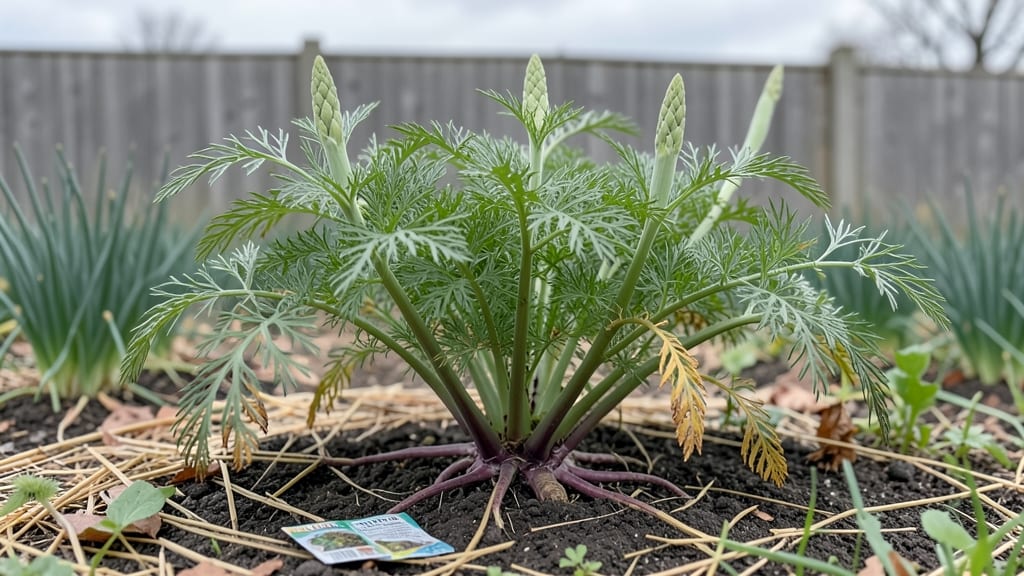
Planting perennial vegetable seeds means year-round harvests with almost no replanting—once you get them established, they’ll feed you for decades. 🌱 I’ve grown asparagus, rhubarb, and artichokes from seed, and the first year is the hardest part. After that? Just watch them multiply.
The key is picking the right seeds—look for certified organic, disease-resistant varieties, and avoid cheap bulk seeds that might be old or low-quality. Asparagus crowns take patience (3+ years to harvest), but rhubarb and horseradish reward you sooner with bold flavors.
My rhubarb patch now gives me five pounds of tart stalks every spring without a single seedling replanted.
With the right soil prep (well-draining, rich in compost) and spacing (asparagus needs 12 inches apart, rhubarb can handle 2 feet), these plants thrive with minimal fuss. Water deeply once established, and fertilize lightly in early spring.
The payoff? A garden that feeds you for years with almost no effort after the first growing season.
Perfect for gardeners who want low-maintenance, high-reward crops—just be patient with the early years. Here’s how to get started without the common pitfalls that trip up beginners.
📚 In This Guide
- What you need
- Instructions
- Tips and common mistakes
- Wrapping up and next steps
What you need
- ● Perennial vegetable seeds (e.g., asparagus, rhubarb, good King Henry, walking onions, or jerusalem artichokes) – Choose heirloom or organic seeds for best results.
- ● Well-draining soil – Aim for a pH of 6.0–7.0 (test kits available at garden centers).
- ● Compost or organic fertilizer – 2–3 gallons per planting area to enrich soil.
- ● Mulch (straw, wood chips, or leaves) – 2–3 inches to retain moisture and suppress weeds.
- ● Garden trowel or transplanting spade – For digging and planting.
- ● Garden hose with adjustable nozzle – For gentle watering (avoid high pressure).
- ● Pruners or shears – For trimming established plants.
- ● Garden gloves – To protect hands while handling soil and plants.
- ● Measuring tape or ruler – For spacing seeds/transplants (follow seed packet guidelines).
- ● Seed-starting trays or biodegradable pots – For indoor germination (if needed).
- ● Row covers or frost cloth – To protect young plants from late frosts.
- ● Drip irrigation system – For consistent moisture in dry climates.
- ● Soil moisture meter – To monitor water needs without over/under-watering.
How to plant and maintain perennial vegetable seeds for season-long yields
These hardy plants reward patience with years of harvest—here’s how to set them up right.
🌱 Step 1: Select and Prepare the Planting Site
Perennial vegetables thrive in well-draining soil with 6+ hours of sunlight daily. I always test soil pH first—most perennials prefer a neutral range of 6.0-7.0. Amend heavy clay with 2-3 inches of compost mixed into the top 12 inches of soil to improve aeration and moisture retention.
Choose a location sheltered from strong winds, as their deep roots make them vulnerable to uprooting. If your site has poor drainage, raise beds by 4-6 inches to prevent waterlogging, which causes root rot. Mark the area with stakes to avoid disturbing the soil later.
🌿 Step 2: Sow Seeds at the Right Depth and Spacing
Plant seeds ¼ to ½ inch deep, depending on the variety—check the seed packet for specifics. I use a seed spacing tool to ensure even depth, as uneven planting leads to uneven maturity. Space seeds 2-3 times wider than their mature width to allow airflow and reduce disease risk.
Water gently after sowing to settle soil around seeds, but avoid compacting it. Place a lightweight row cover over the bed to retain moisture and warmth until germination. Most perennial seeds take 2-4 weeks to sprout, so patience is key—don’t disturb the soil until you see first true leaves emerge.
☀️ Step 3: Provide Consistent Care Through Establishment
Once seedlings appear, remove the row cover and water deeply 1-2 times per week, ensuring moisture reaches 6 inches down. Perennials develop deep root systems early, so shallow watering stresses them. I use a soaker hose to deliver water slowly at the base, avoiding wetting foliage to prevent fungal issues.
Apply a balanced organic fertilizer (like 5-5-5) at half strength when plants reach 4-6 inches tall. This encourages strong root growth without burning tender leaves. Mulch with 2-3 inches of straw to suppress weeds and retain soil moisture—just keep mulch 2 inches away from stems to prevent rot.
⏰ Step 4: Prune and Divide for Long-Term Productivity
After the first harvest season, prune back one-third of the foliage in early spring to stimulate new growth. This also opens the plant to sunlight, reducing disease risk. I always prune with clean, sharp shears to avoid tearing leaves, which invites pests.
Every 3-4 years, divide mature clumps in early spring or fall. Dig up the plant, separate sections with roots intact, and replant immediately. This rejuvenates growth and prevents overcrowding. Divided sections establish just as quickly as seedlings, so don’t hesitate to share with neighbors!
💧 Step 5: Overwinter for Next Year’s Harvest
In colder climates, mulch heavily (4-6 inches) with straw or leaves before the first frost. This insulates roots and protects against freezing. Perennials like asparagus and rhubarb benefit from extra snow cover, as it acts like a natural blanket.
Reduce watering in late fall but keep soil slightly moist—completely dry soil can damage dormant roots. In mild climates, continue light watering through winter to prevent desiccation. Come spring, remove old mulch and add fresh compost to replenish nutrients for another bountiful year.
Tips & tricks for perfect perennial vegetable planting
These small adjustments will transform your perennial vegetable garden from good to exceptional—with minimal extra effort.
Soil Preparation Secret: The 2-3 inches of compost in Step 1 should be mixed thoroughly into the top 12 inches of soil, not just spread on top. I use a broadfork to loosen the soil first—this creates ideal aeration for those deep perennial roots. For heavy clay soils, consider adding coarse sand or perlite to improve drainage before planting.
Germination Timing Tip: In Step 2, those 2-4 weeks to sprout can feel like an eternity, but consistency is key. I mark my calendar with the sowing date and set reminders to check for germination. If you're impatient, try a heat mat under seed trays—it can cut germination time by 30-50% without compromising plant health.
Watering Wisdom: The deep watering in Step 3 (1-2 times per week reaching 6 inches down) is crucial, but timing matters too. Water in the early morning so foliage has time to dry before evening—this prevents fungal diseases that plague perennial gardens. I use a moisture meter to verify when the soil needs watering rather than relying on a schedule.
Pruning Precision: When you prune back one-third of the foliage in Step 4, focus on removing the oldest, yellowing leaves first. This opens the plant to sunlight while maintaining its photosynthetic capacity. I always sterilize my pruning shears with rubbing alcohol between cuts to prevent spreading disease from plant to plant.
Pro Tips for Perennial Vegetable Seeds
- These small adjustments will transform your perennial vegetable garden from good to exceptional—with minimal extra effort.
- Soil Preparation Secret: The 2-3 inches of compost in Step 1 should be mixed thoroughly into the top 12 inches of soil, not just spread on top.
- Germination Timing Tip: In Step 2, those 2-4 weeks to sprout can feel like an eternity, but consistency is key.
Frequently asked questions
Got questions about growing perennial vegetables from seeds? You’re not alone—many gardeners are eager to dive into low-maintenance, long-term harvests but want to know the finer details first. Here’s a quick breakdown of the most common queries to help you get started with confidence!
What’s the best time to plant perennial vegetable seeds?
Timing depends on your climate and the specific plant! For most temperate perennials like asparagus or rhubarb, sow seeds 6-8 weeks before the last frost in spring. In warmer zones, fall planting (4-6 weeks before the first frost) can also work. Always check the seed packet for species-specific advice—some, like sorrel, thrive in both spring and fall!
How long does it take for perennial veggies to produce edible harvests?
Patience is key! Some perennials, like asparagus, take 2-3 years to establish before yielding spears. Others, such as rhubarb or good King Henry, may take 1-2 years. Once established, though, they’ll reward you with decades of harvests with minimal replanting. Think of it as an investment in your garden’s future!
Can I grow perennial vegetables in containers or small spaces?
Many perennials adapt well to containers, especially dwarf varieties like strawberries or mini rhubarb. Choose deep pots (at least 12 inches) for root crops like sunchokes or Jerusalem artichokes. Just ensure they get enough sunlight (6+ hours/day) and well-draining soil. Urban gardeners, rejoice—you’ve got options!
What if my perennial seeds don’t germinate?
Don’t panic! Perennial seeds often need stratification (a cold period) or scarification (scratching the seed coat) to break dormancy. Try soaking seeds in warm water for 24 hours or chilling them in a damp paper towel in the fridge for 2-4 weeks. If the issue persists, test viability by cutting open a seed—if it’s hard and unblemished, it’s likely still good. Adjust moisture levels or try a new batch!
Are there any perennial veggies that are easier for beginners?
Start with these low-maintenance superstars:
- Strawberries: Fast-growing, prolific, and forgive mistakes.
- Rhubarb: Hardy and productive once established.
- Good King Henry: Cold-hardy and edible like spinach.
- Sorrel: Thrives in partial shade and has a tangy lemon flavor.
Wrapping up and next steps
Growing perennial vegetable seeds is your ticket to a low-maintenance, bountiful garden that keeps giving year after year! 🌱 With the right varieties and a little planning, you’ll enjoy fresh, homegrown produce with minimal effort—while reducing waste and boosting sustainability.
Whether you’re a seasoned gardener or just starting out, now’s the perfect time to plant the seeds for a future full of flavor and ease.
Ready to take the next step? Start small—pick 1-2 perennial veggies to test, research your climate’s growing zone, and order your seeds today. Before you know it, your garden will be a thriving, self-sustaining ecosystem that rewards you with harvests for years to come!