How To
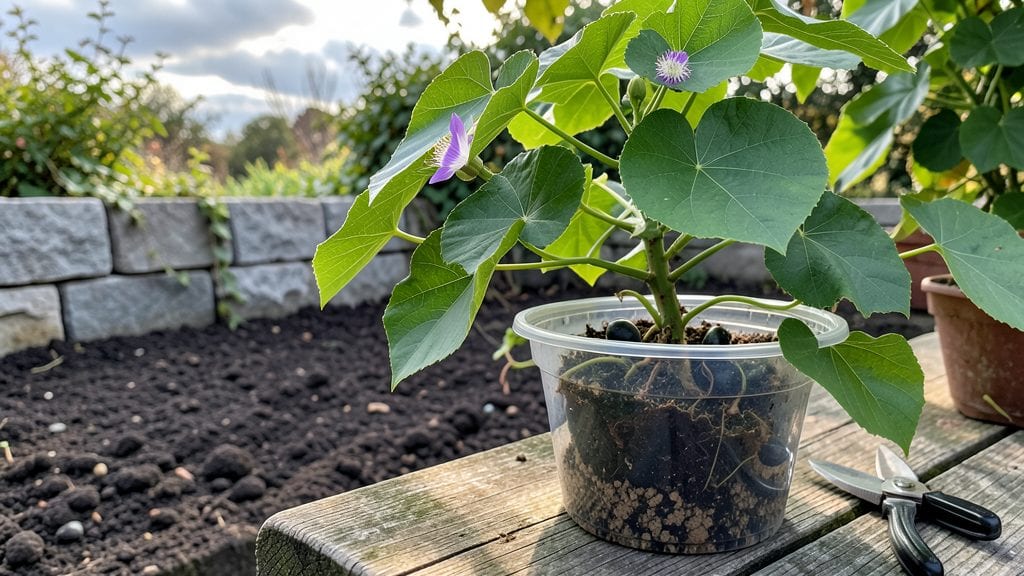
Planting passion flower seeds 🌺 starts with the right prep—and most gardeners miss the one trick that speeds up germination from weeks to days.
Struggling to coax passion flower seeds into sprouting? The secret often lies in soil temperature—and mastering this technique could mean the difference between weeks of waiting and rapid, healthy germination.
In Zone 6a, where spring planting kicks off in March, maintaining a consistent 60-70°F soil temperature is the key to breaking through that stubborn dormancy. Too cold, and they’ll sit; too hot, and they’ll rot before they wake up.
Below, I’ll walk you through the exact steps to prep your seeds, the ideal planting depth, and how to keep them cozy until those first green shoots break through—plus the common mistakes that slow everything down.

Optimal soil temperature for passion flower seed germination
Passion flower seeds (Passiflora spp.) are notoriously slow to sprout, but the right soil temperature can cut your waiting time in half. Most varieties thrive when soil stays between 60°F and 70°F, but tropical species like Passiflora edulis may need slightly warmer conditions—up to 75°F.
Understanding these ranges helps you avoid the common pitfall of stagnant germination due to inconsistent heat.
Monitoring soil temperature is easier than you think. Use a soil thermometer (inserted 2 inches deep) to check daily, especially in spring or fall when ground temps fluctuate. If your climate dips below 55°F, your seeds may never wake up—even with perfect moisture.
For faster results, consider a seedling heat mat ($20-$30) or a sunny windowsill in Zone 5 or colder.
🌱
Here’s the kicker: passion flower seeds often need consistent warmth for 14–21 days before sprouting. If you’re in a cooler climate (like Zone 4), start seeds indoors under grow lights or use a greenhouse to maintain ideal temps.
Pro tip: Place your seed trays near a south-facing wall or under a clear plastic dome to trap heat naturally.
🌿
In warmer climates (Zones 8–10), soil can overheat above 80°F, which stresses seeds and slows growth. To prevent this, shade your seed trays with frosted plastic or plant in partial shade until sprouts appear.
Mulch with straw or coconut coir to regulate temperature swings—this keeps moisture levels steady while protecting delicate seedlings.
✂️
If your seeds still refuse to sprout after 30 days, they may need pre-treatment. Soak them in warm water (80°F) for 24 hours before planting, or gently nick the hard outer shell with sandpaper to mimic natural wear.
This mimics the digestive process of tropical birds, which often disperse passion flower seeds. Pair this with bottom heat (like a seedling mat) for best results.
💧
Let’s tackle the biggest myth: "Passion flowers grow anywhere." While they’re hardy vines, their seeds are temperature-sensitive. For example, Passiflora caerulea (blue passionflower) germinates best at 65°F, while Passiflora incarnata (maypop) prefers 70°F.
Always check your variety’s USDA Zone and adjust your approach—this small tweak can mean the difference between weeks of waiting and sprouts in days.
☀️
For troubleshooting cold-weather challenges, try this: Fill a black plastic tray with water, place it near your seed trays, and cover everything with clear plastic wrap. The trapped heat will raise soil temps by 5–10°F without extra equipment.
This DIY "greenhouse in a box" works wonders in garages or basements where temps hover around 50°F.
🌳
Finally, remember that passion flower seeds often sprout unpredictably. Some varieties take up to 60 days to break dormancy, but with the right soil warmth and moisture balance, you can shave off weeks.
Track your progress with a seedling journal—note temps, sprouting dates, and any adjustments you make. Over time, you’ll refine your method for faster, healthier germination.
📋
| Passion Flower Variety | Ideal Soil Temp (°F) | Germination Time | Best Climate Zones | Pro Tips |
|---|---|---|---|---|
| Passiflora caerulea (Blue) | 60–68°F | 14–30 days | Zones 5–9 | Use heat mat for slow starts |
| Passiflora edulis (Purple) | 70–75°F | 21–45 days | Zones 8–11 | Shade trays in peak sun |
| Passiflora incarnata (Maypop) | 65–72°F | 20–60 days | Zones 6–10 | So
Step-by-step guide to pre-treating passion flower seeds for faster growthPassion flower seeds can be notoriously slow to sprout, but with the right pre-treatment, you can cut germination time in half. The key lies in breaking dormancy through scarification or warm stratification, both of which mimic natural conditions. These methods trick the seed into thinking it’s ready to grow, triggering faster root development. I’ve found that combining these techniques with proper moisture control yields the best results—especially in cooler climates. Before diving into methods, gather your tools: a sandpaper (for scarification), a plastic bag or container (for stratification), and a thermometer to monitor warmth. Passion flower seeds thrive when prepped correctly, and these steps ensure you’re ready to plant them at the optimal time. Let’s break it down into clear, actionable steps for success. ⚠️ Pro Tip: Always work in a clean, well-ventilated area to prevent mold or bacterial growth during pre-treatment. How to Pre-Treat Passion Flower Seeds
If your seeds aren’t sprouting after 3 weeks, they may need a longer stratification period or a second scarification attempt. Some varieties, like Passiflora caerulea, respond better to extended warmth, so don’t rush the process. Patience here pays off with stronger seedlings. Once your passion flower seeds sprout, keep them in bright, indirect light for the first week to prevent legginess. After true leaves emerge, transplant them outdoors only after the last frost date in your USDA Zone. This ensures they’re hardened off and ready to thrive in their permanent location. With these pre-treatment steps, you’ll see faster germination and healthier vines—setting your passion flowers up for a stunning summer display. Happy growing! 🌺 |