
Watering
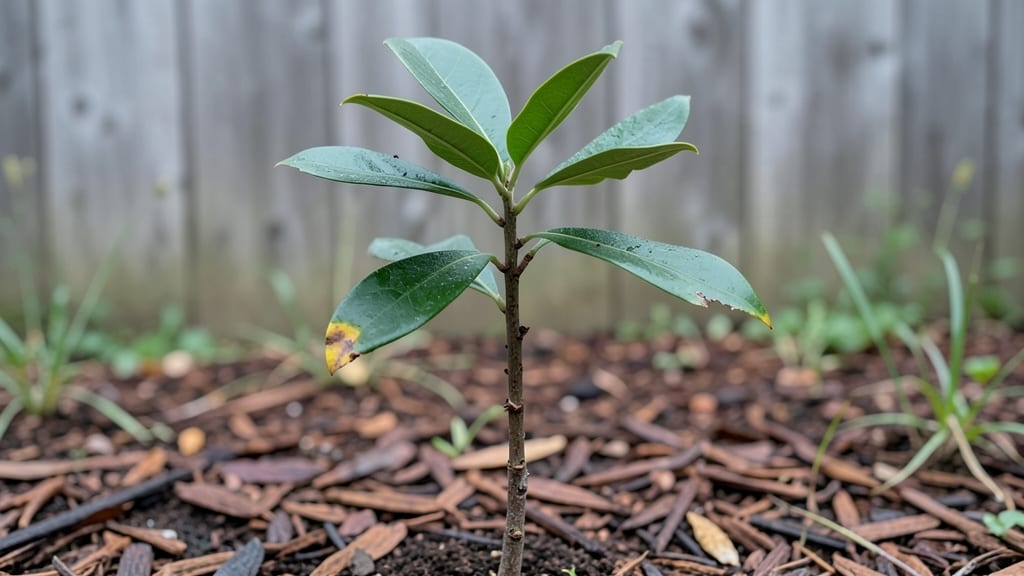
Growing a sweetbay magnolia seedling into a lush, evergreen privacy shield starts with the right care—this fragrant, disease-resistant tree thrives when you match its needs to your climate. 🌿 I’ve nurtured mine through transplant shock and into a 10-foot beauty, and the secret lies in moisture, shade, and patience.
Unlike fussy magnolias, sweetbay tolerates partial shade and soggy soil, making it perfect for zones 5–9 where winters aren’t brutal.
The first year is critical: water deeply twice a week in dry spells, keeping the soil damp but not waterlogged. A 5-gallon pot works for seedlings, but transplant outdoors only after roots fill the container—this prevents the shock that kills so many young trees.
Amend native soil with compost; sweetbay hates heavy clay but loves acidic, well-draining earth.
By year three, you’ll see glossy, leathery leaves year-round and delicate white blooms in spring. Prune only to shape—never to “encourage growth”—and watch it fill in gaps faster than bamboo. The trade-off? Slower growth than fast-privacy plants, but the scent and shade make it worth the wait.
Common pitfalls? Overwatering in summer and deer browsing. Mulch heavily to retain moisture, and consider a chicken wire cage for seedlings until they’re 3 feet tall. With these tweaks, your sweetbay will outlast any privacy hedge—and stay green when others go dormant.
📚 In This Guide
- What you need
- Instructions
- Tips and common mistakes
- Wrapping up and next steps
What you need
- ● Sweetbay magnolia seedling (1–3 plants, depending on spacing needs—aim for 6–10 feet apart for mature privacy hedges)
- ● Well-draining potting mix (10–20 lbs, rich in organic matter like compost or peat-based soil)
- ○ Garden soil amendment (optional but recommended: 5 lbs of compost or slow-release fertilizer)
- ● Mulch (2–3 inches of pine straw, wood chips, or shredded bark to retain moisture)
- ● Trowel or hand shovel (for planting and soil prep)
- ● Garden gloves (to protect hands from thorns or rough bark)
- ● Watering can or hose with a gentle spray nozzle (for deep but controlled watering)
- ● Pruning shears (for shaping or trimming as needed)
- ● Measuring tape (to ensure proper spacing between seedlings)
- ● Sunlight access: Partial shade to full sun (6+ hours of light daily for optimal growth)
- ● Water source: Easy access to a drip irrigation system or hose (sweetbay magnolias prefer consistent moisture)
- ● Space planning: Mature height of 15–25 feet—ensure your site can accommodate their growth!
- ● Climate suitability: Thrives in USDA Zones 5–9 (check local frost dates for timing)
Instructions for planting and cultivating sweetbay magnolia seedlings
This evergreen beauty thrives with the right site prep and ongoing care—here’s how to establish it properly.
🌱 Step 1: Select and Prepare the Planting Site
Sweetbay magnolias demand partial shade to full sun—morning sunlight with afternoon shade works best in hotter climates. Test your spot by observing how much direct light it receives between 10 AM and 4 PM. Avoid areas where water pools after rain, as soggy soil invites root rot.
Loosen the soil to a depth of 12-18 inches using a garden fork or tiller. Amend heavy clay with 2-3 inches of compost from your materials list, working it into the top 6 inches of soil. The goal is well-draining, slightly acidic soil with a pH between 5.0 and 6.5. You’ll know you’ve done it right when the soil crumbles easily between your fingers.
🪴 Step 2: Dig the Hole and Plant the Seedling
Dig a hole twice as wide as the seedling’s root ball but no deeper. Sweetbay magnolias resent being buried too deeply, which can strangle the trunk. Gently remove the seedling from its container and tease apart any circling roots with your fingers—this encourages outward growth instead of girdling.
Place the seedling in the hole so the top of the root ball sits 1-2 inches above ground level. Backfill with native soil, tamping lightly every 2 inches to eliminate air pockets. Water deeply until moisture reaches 6 inches down, then let the soil settle for 24 hours before mulching. This prevents root disturbance during the critical first week.
💧 Step 3: Mulch and Water for Establishment
Spread 3-4 inches of organic mulch (like pine straw or shredded bark) over the soil surface, keeping it 6 inches away from the trunk to prevent moisture buildup. Mulch retains soil moisture, regulates temperature, and suppresses weeds—critical for young seedlings still developing root systems.
Water twice weekly during the first year, providing 1-2 gallons per watering to ensure roots penetrate deeply. You’ll know you’re doing it right when the soil stays evenly moist but not waterlogged—stick your finger 2 inches down; if it feels dry, it’s time to water. Reduce watering in winter unless the ground is frozen.
☀️ Step 4: Prune and Fertilize for Healthy Growth
Prune only to remove dead, crossing, or diseased branches in late winter or early spring. Sweetbay magnolias bloom on old wood, so avoid heavy pruning—never trim more than 20% of the canopy in a single season. Use clean, sharp pruners to make cuts just outside the branch collar for the cleanest healing.
Fertilize lightly in early spring with a balanced, slow-release fertilizer (10-10-10 ratio). Apply ½ the recommended rate the first year to avoid burning tender roots. You’ll see vigorous new growth within 4-6 weeks if the soil pH and moisture are correct. Yellowing leaves often signal over-fertilization or poor drainage—adjust accordingly.
⏰ Step 5: Monitor for Pests and Seasonal Adjustments
Watch for scale insects or spider mites, which thrive in dry conditions. Spray infested branches with neem oil in early morning to avoid harming pollinators. Sweetbay magnolias are generally pest-resistant, but stress from drought or poor soil invites problems.
In winter, protect young seedlings from freezing winds by wrapping the base with burlap if temperatures drop below 15°F. Mature trees handle cold well, but their first few years are vulnerable. You’ll know your tree is thriving when it produces fragrant white blooms in late spring, signaling healthy establishment.
Tips & tricks for perfect sweetbay magnolia establishment
Sweetbay magnolias are forgiving once established, but the first year makes all the difference. Here are the secrets to giving your seedling the best possible start.
Soil Preparation is Everything: In Step 1, when loosening soil to 12-18 inches, don't just scratch the surface—dig deeply to break up compacted layers. The goal is to create a "sponge-like" texture that holds moisture without becoming waterlogged. If your soil is naturally heavy clay, mix in extra compost (up to 4 inches) and consider adding perlite for better drainage. The 24-hour settling period before mulching gives roots time to adjust without disturbance—don't skip this critical window.
Root Ball Position Matters: During Step 2, that 1-2 inch elevation above ground level is non-negotiable. Too deep and you'll suffocate the trunk; too high and roots won't anchor properly. Here's my trick: Use a level to ensure the root ball sits perfectly horizontal. If your hole has uneven sides, add extra soil to the lower side before placing the seedling. The 2-inch tamping intervals eliminate air pockets that would otherwise create dry spots in the soil.
Watering Science: The twice-weekly watering in Step 3 should deliver 1-2 gallons each time, but timing matters more than quantity. Water in the early morning so moisture reaches 6 inches down before the heat of day. I test soil moisture by pushing a metal rod (like an old screwdriver) 2 inches deep—if it comes out clean, water again. Overwatering is worse than underwatering for young magnolias, as soggy soil invites root rot. The 2-inch moisture check prevents both extremes.
Winter Protection Strategy: When temperatures drop below 15°F in Step 5, don't just wrap the trunk—create a windbreak. Place the burlap wrap around the base AND extend it upward to shield the lower branches. I also recommend adding a layer of straw mulch over the root zone for extra insulation. This two-pronged approach prevents frost cracks that can kill young trees. The fragrant spring blooms you'll see later are your reward for this winter care.
Pro Tips for Sweetbay Magnolia Seedling
- Sweetbay magnolias are forgiving once established, but the first year makes all the difference.
- Soil Preparation is Everything: In Step 1, when loosening soil to 12-18 inches, don't just scratch the surface—dig deeply to break up compacted layers.
- Root Ball Position Matters: During Step 2, that 1-2 inch elevation above ground level is non-negotiable.
Frequently asked questions
Got questions about growing and caring for your sweetbay magnolia seedling? You’re not alone! Here are some of the most common queries—plus quick, practical answers to help you nurture a thriving evergreen privacy shield.
How often should I water a sweetbay magnolia seedling?
Water your seedling deeply but infrequently—about once a week (or more in extreme heat or drought). The top 1–2 inches of soil should dry out between waterings. Overwatering can suffocate roots, so ensure the pot or planting area has good drainage. Mulch around the base to retain moisture and regulate soil temperature.
When is the best time to plant a sweetbay magnolia seedling?
Plant your seedling in early spring or fall when temperatures are mild (50–70°F). This gives roots time to establish before summer heat or winter cold stress. Avoid planting in peak summer—the heat can shock young plants. If you must plant in summer, provide extra shade and consistent moisture for the first few weeks.
How fast does a sweetbay magnolia grow, and when will it provide privacy?
Sweetbay magnolias grow at a moderate pace: 12–24 inches per year under ideal conditions. A 6-foot-tall hedge typically takes 3–5 years to mature and offer full privacy. Prune lightly in late winter to encourage bushier growth, but avoid heavy cuts—these plants thrive with minimal intervention!
What pests or diseases should I watch for in sweetbay magnolia seedlings?
Keep an eye out for scale insects, spider mites, and magnolia scale (a common threat). Treat infestations early with neem oil or insecticidal soap. Fungal issues like powdery mildew can occur in humid conditions—improve airflow and avoid overhead watering. If leaves yellow or drop, check for root rot (often from overwatering) or nutrient deficiencies (add a balanced fertilizer in spring).
Can I grow a sweetbay magnolia from seed, or should I buy a seedling?
While you can grow from seed, it’s much slower and less reliable—germination can take months, and seedlings may not retain the parent plant’s traits. For a fast, foolproof privacy screen, buy a 1–3 year-old seedling from a reputable nursery. Look for healthy, disease-free plants with vibrant green leaves and no signs of stress.
Wrapping up and next steps
Growing a sweetbay magnolia seedling into a lush, evergreen privacy shield is a rewarding journey—one that starts with the right care and patience. 🌿 By mastering watering techniques, soil prep, and seasonal adjustments, you’ll nurture a resilient tree that thrives year-round.
Whether you’re a beginner or a seasoned gardener, every drop of water and thoughtful step brings you closer to a stunning, fragrant landscape.
Ready to watch your seedling flourish? Take the next step: Mark your calendar for your first deep watering session and observe how your sweetbay magnolia responds. Before you know it, you’ll be enjoying its glossy leaves and delicate blooms as your natural, living privacy screen! 🌱✨