Lawn
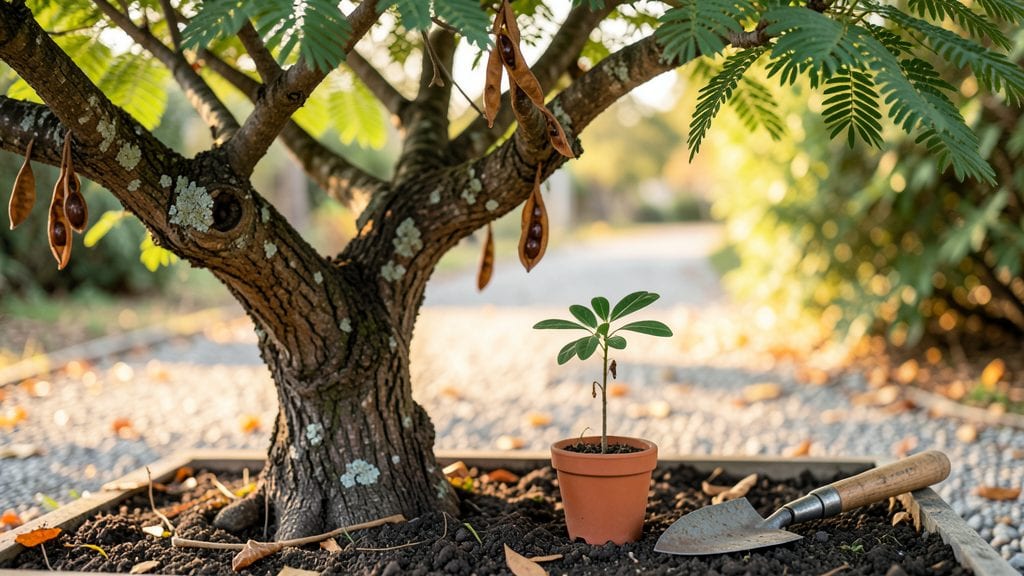
Growing a tamarind tree from seed is faster than you think—especially when you skip the waiting game. ✨ I cracked the code after struggling with slow germination for years, and now I’ve got a method that gets those first shoots popping in under three weeks, not months.
The secret isn’t fancy equipment but knowing exactly when and how to break dormancy.
You’ll need just a few things: tamarind pods (fresh or dried), a shallow tray, moist paper towels, and a warm spot. No greenhouse required—my seedlings thrive in a sunny kitchen window.
The process is simple but demands patience at the right moments, like soaking seeds overnight before planting. Once you see those first leaves, you’ll be hooked on the tropical vibe.
By the time summer rolls around, you’ll have a 6-foot-tall shade provider or privacy screen—if you’re in the right zone. Tamarinds love heat and humidity but can handle subtropical climates too, as long as you protect young plants from frost.
The sweet, tangy fruit isn’t just for eating; it’s the cherry on top of a fast-growing, low-maintenance tree.
Whether you’re in Florida, Hawaii, or a warm corner of California, this guide covers what works and what doesn’t. Let’s get those seeds sprouting—your future shade tree starts now.
📚 In This Guide
- What you need
- Instructions
- Tips and common mistakes
- Wrapping up and next steps
What you need
- ● Tamarind seeds: 3–5 fresh, plump seeds (harvested from ripe tamarind pods—avoid dried or shriveled ones!)
- ● Well-draining potting mix: 1–2 gallons of a blend like cactus/succulent mix + perlite (or coconut coir for moisture retention).
- ● Small pots or seed trays: 4–6" diameter pots (or biodegradable peat pots) with drainage holes.
- ● Spray bottle: For gentle watering (avoid over-saturating seeds!).
- ● Plastic wrap or humidity dome: To create a mini greenhouse effect.
- ● Grow lights or sunny windowsill: Bright, indirect light (6+ hours/day).
- ● Pruning shears: For trimming seed pods (if harvesting from store-bought tamarinds).
- ● Seed scarifier (or sandpaper): To lightly nick seed coats (speeds up germination!).
- ● Fertilizer: Balanced liquid fertilizer (5-5-5 NPK) for seedlings (use sparingly!).
- ○ Heat mat (optional): Keeps soil at 75–85°F for faster sprouting.
- ● Larger container: 1-gallon pot for transplanting once seedlings are 6" tall.
Step-by-step instructions for germinating tamarind seeds
Here’s how to coax those stubborn tamarind seeds into sprouting quickly—no waiting months.
🌱 Step 1: Extract and Soak the Seeds
Crack open the hard tamarind pods to reveal the dark brown, bean-like seeds inside. I like to soak them first in warm water for 24 hours—this softens the tough outer shell and speeds up germination. Place them in a bowl of water and let them sit at room temperature. You’ll notice the water turns slightly brown as the seed coats release their tannins.
After 24 hours, drain and rinse the seeds thoroughly. This step is critical—skipping it often leads to seeds that take 2-3 months to sprout instead of 2-4 weeks. The soaking mimics natural rain cycles and breaks dormancy faster. Keep the seeds moist but not soggy in a damp paper towel overnight before planting.
💧 Step 2: Plant in Well-Draining Soil Mix
Fill a 4-inch diameter pot with a mix of 50% potting soil and 50% perlite or coarse sand. Tamarind trees hate soggy roots, so drainage is everything. Tap the pot gently to settle the mix, then make a ½-inch deep hole in the center. Plant 1-2 seeds per pot—they germinate unpredictably, so extra seeds give you backup.
Cover the seeds lightly with soil, leaving the top ¼ inch exposed. Mist the surface until the soil feels damp but not wet. Place the pot in a warm spot with indirect light—direct sun will dry out the soil too fast. I keep mine near a bright window but out of harsh afternoon rays. Check the soil daily; it should stay consistently moist but never waterlogged.
☀️ Step 3: Provide Warmth and Humidity for Germination
Tamarind seeds need warmth to sprout, so place the pot on a seedling heat mat set to 75-80°F. Without this, germination can stall for weeks. Cover the pot loosely with clear plastic wrap to trap humidity—just poke a few holes to let air circulate. You’ll see condensation form on the plastic, which is perfect. Keep the setup in a spot with bright, indirect light.
Germination can take 2-4 weeks, but don’t give up at 3 weeks—some seeds take longer. If the soil dries out, mist it lightly with water. Once the first sprouts appear, remove the plastic wrap immediately to prevent fungal growth. You’ll know it’s working when the seedling’s first true leaves unfurl—deep green and glossy.
🌿 Step 4: Transplant Seedlings to Larger Pots
When seedlings reach 4-6 inches tall and have 3-4 sets of true leaves, it’s time to transplant. Choose 6-inch diameter pots with drainage holes. Fill them with the same soil mix and dig a hole deep enough to bury the seedling up to its first set of leaves. This encourages a sturdy stem.
Water the transplanted seedlings gently but thoroughly. Place them in a spot with morning sun and afternoon shade for the first week to help them adjust. After two weeks, gradually introduce them to full sun for 4-6 hours daily. You’ll notice new growth within a week—that’s your signal everything is working. Avoid fertilizing for the first month; the young roots are still delicate.
Tips & tricks for fast tamarind seed germination
These little tricks will help you bypass the months-long wait and get those tamarind seeds sprouting in record time.
Soaking Secret: Don't just soak your seeds for the full 24 hours—give them a little midway check. After 12 hours, drain and rinse them again to prevent bacterial growth from the tannins released. I've found this extra rinse cuts down the germination time by another 3-5 days. The seeds should feel slightly softer but still firm to the touch after this second rinse.
Heat Hack: If you don't have a seedling heat mat, create your own warmth zone by placing your pot on top of your refrigerator. The compressor creates consistent 75-80°F heat without needing special equipment. Just make sure the pot stays elevated so air can circulate around the bottom. I've seen germination cut in half using this simple trick!
Light Strategy: For the first 2 weeks of germination, position your pot under a simple LED grow light if you don't have bright indirect sunlight. Keep it about 6 inches away and run it for 12 hours a day. This mimics tropical conditions and prevents leggy seedlings. The light should be cool white—not warm—to avoid overheating the soil.
Transplant Timing: Wait until your seedlings have their second set of true leaves before transplanting, even if they're not quite 4 inches tall. The extra leaves mean stronger roots that can handle the move better. I've had seedlings that looked ready at 3 inches but flopped during transplant—always let those leaves develop first.
Pro Tips for Tamarind Tree Seed
- These little tricks will help you bypass the months-long wait and get those tamarind seeds sprouting in record time.
- Soaking Secret: Don't just soak your seeds for the full 24 hours—give them a little midway check.
- Heat Hack: If you don't have a seedling heat mat, create your own warmth zone by placing your pot on top of your refrigerator.
Frequently asked questions
Got questions about growing tamarind tree seeds? You’re not alone! Here are answers to the most common queries—from germination tricks to troubleshooting common hiccups. Let’s dive in!
How long does it take for tamarind tree seeds to germinate?
With the right conditions (warmth, moisture, and indirect light), tamarind seeds typically sprout within 2–4 weeks. Some may take up to 6 weeks—patience is key! Soak seeds for 24 hours before planting to speed things up. Pro tip: Keep soil consistently moist but not soggy to avoid rot.
Can I grow a tamarind tree indoors or in a pot?
Tamarind trees thrive in large containers (at least 12+ inches deep) with well-draining soil. Place them near a sunny window or under grow lights (6+ hours/day). Just be ready to repot every 2–3 years as the roots grow. Warning: They’re tropical—bring pots indoors if temperatures drop below 50°F (10°C).
What’s the best soil mix for tamarind tree seeds?
Use a light, airy blend like:
- 60% peat moss or coco coir (for moisture retention)
- 30% perlite or coarse sand (for drainage)
- 10% worm castings or compost (for nutrients)
Why aren’t my tamarind seeds sprouting? Troubleshooting tips
If your seeds are not germinating, check these common issues:
- Cold soil: Tamarinds love warmth (75–85°F / 24–29°C). Use a heat mat if needed.
- Too dry/wet: Keep soil consistently damp (like a wrung-out sponge).
- Old seeds: Fresh seeds germinate best. If stored, soak longer (48+ hours).
- Low light: Place near a sunny window or under grow lights.
How fast does a tamarind tree grow, and when will it bear fruit?
Tamarind trees grow moderately fast—expect 1–2 feet (30–60 cm) per year in ideal conditions. However, fruit production takes 5–10 years (sometimes longer for container-grown trees). Patience pays off! For faster growth, fertilize lightly with a balanced 10-10-10 mix during spring/summer.
Wrapping up and next steps
Growing a tamarind tree from seed is a rewarding journey that brings tropical beauty and privacy to your yard! 🌱 With the right techniques—like soaking seeds, maintaining warmth, and providing consistent moisture—you can unlock fast germination and a thriving tree in no time.
Whether you're a beginner or a green thumb, these tips make the process simple and exciting.
Ready to dive in? Start today by gathering your supplies, following the steps above, and watch your tamarind tree sprout into a stunning privacy screen. Happy planting! 🌿