Diseases
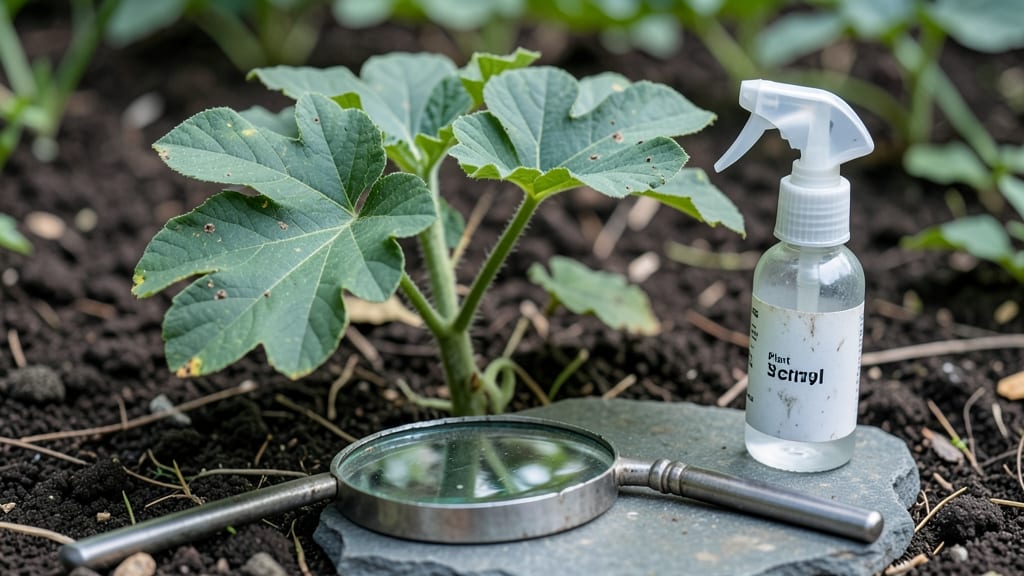
Watermelon seedlings can turn from vibrant green to a sickly mess in days if fungal or bacterial diseases strike—something I learned the hard way after losing half my first batch to damp-off.
The key to saving your crop isn’t panic but prevention: clean soil, proper spacing, and quick action when you spot the first yellow leaf or fuzzy growth. Most diseases start in the soil or spread through water, so understanding their signs early makes all the difference.
Damping-off is the most common culprit, causing seedlings to collapse at the stem like they’ve been cut with a knife. Powdery mildew shows up as white dust on leaves, while bacterial spots create water-soaked patches that ooze when touched.
The good news? Organic fixes like copper fungicide, neem oil, or even a baking soda spray can stop these threats before they take over. I’ve saved seedlings with all three—it just takes watching for those first warning signs.
You’ll spot healthy seedlings growing strong and upright, with glossy leaves that feel firm to the touch. Diseased ones wilt, develop dark spots, or rot at the base.
The goal is to act before the problem spreads: remove infected plants immediately, sterilize your tools, and adjust watering to keep soil dry but not bone-dry. With these steps, your seedlings will stay sturdy and ready for transplanting—no more heartbreaking losses.
This works for both in-ground and container-grown watermelons, whether you’re in a hot southern summer or a cooler northern season. The principles stay the same: cleanliness, vigilance, and fast action. Let’s get those seedlings thriving instead of fighting for their lives.
Why it happens
Watermelon seedlings are delicate powerhouses—packed with potential but vulnerable to unseen threats. When diseases strike, it’s usually because environmental stress, microbial invaders, or poor growing conditions create the perfect storm for pathogens.
Understanding the root causes helps you prevent (not just treat) these issues before they take hold. Let’s break down the science behind why your seedlings might be fighting an uphill battle.
🌡️ Overly Wet or Poor-Draining Soil
Watermelons thrive in well-draining soil, but when seedlings sit in soggy conditions, their roots suffocate. Fungal pathogens like Pythium and Phytophthora flourish in waterlogged environments because:
- Oxygen deprivation: Roots need air to respire. Without it, cells die, creating entry points for fungi.
- Spores germinate faster: Fungal spores in soil wait for moisture to activate. Even slight waterlogging triggers their growth.
- Weakened seedlings: Stressed plants produce less phenolic compounds (natural defenses), making them easy targets.
Actionable fix: Test your soil’s drainage—ideally, water should drain within 1–2 hours. Mix in compost or perlite to improve aeration.
🌡️ Temperature and Humidity Mismatches
Watermelon seedlings need warmth (70–90°F) and moderate humidity (40–60%). When conditions stray too far from this range, diseases like downy mildew or powdery mildew exploit the imbalance:
- Cold snaps: Temperatures below 60°F slow seedling growth, weakening their cuticles (the plant’s protective skin). Bacterial soft rot seizes the opportunity.
- High humidity (>70%): Moisture lingers on leaves, creating a film that traps spores. Fusarium wilt thrives in these conditions.
- Nighttime dew: Prolonged leaf wetness (over 12 hours) turns leaves into fungal buffets.
Actionable fix: Use row covers for early seedlings or space plants to improve airflow. Avoid overhead watering at dusk.
🦠 Microbial Hitchhikers in Soil or Seed
Not all soil-borne pathogens are visible, but they’re always present. Seedling diseases often stem from:
- Contaminated seeds: Some pathogens (e.g., Streptomyces spp.) can lie dormant on seed coats, only activating when germinated.
- Old or unsterilized soil: Organic matter breaks down, releasing nutrients that feed pathogenic fungi like Rhizoctonia.
- Cross-contamination: Reusing pots or tools from infected plants transfers spores to new seedlings.
Actionable fix: Soak seeds in a 10% bleach solution (90 seconds, then rinse) or use pasteurized soil (heat to 180°F for 30 minutes). Rotate crops yearly.
🌱 Nutrient Deficiencies or Imbalances
Seedlings starved for key nutrients become defenseless. For example:
- Low nitrogen (N): Leads to stunted growth, making seedlings more susceptible to root rot.
- Excess phosphorus (P): While P aids root development, too much can suppress beneficial microbes, letting pathogens dominate.
- Zinc or manganese deficits: Weakens cell walls, inviting bacterial infections.
Actionable fix: Conduct a soil test and amend with balanced fertilizer (e.g., 10-10-10). Avoid over-fertilizing—seedlings need gentle nutrition.
🐛 Pest Damage as a Gateway
Insects like aphids, thrips, or cutworms don’t just eat seedlings—they create wounds that invite disease. For instance:
- Aphids: Inject toxins that stress plants, opening doors for viruses (e.g., cucumber mosaic virus).
- Cutworms: Sever stems at the base, exposing xylem vessels to Fusarium or Verticillium.
- Thrips: Feed on sap, weakening leaves and making them prone to powdery mildew.
Actionable fix: Use neem oil or kaolin clay as a barrier. Inspect seedlings daily for early signs of pest activity.
Quick Fixes for Seedling Struggles
Watermelon seedlings are delicate—just like a baby plant, they need the right care to thrive. When diseases strike, acting fast is key. Below are practical, step-by-step solutions tailored to common seedling issues, from fungal infections to bacterial attacks. Each fix includes prevention tips to keep your crop healthy long-term.
Fungal diseases thrive in damp, warm conditions, turning young leaves into a sad, spotted mess. Here’s how to stop the spread and revive your seedlings:
🔥 Step 1: Remove Infected Plants Immediately
- Why? Fungi spread like wildfire—don’t let one sick seedling ruin the batch.
- How? Snip off diseased leaves or pull the whole plant if heavily infected. Dispose of them in the trash (not compost!)—fungi can survive in soil.
🍳 Step 2: Apply Fungicide (Natural or Store-Bought)
| Option | How to Use | Prevention Tip |
|---|---|---|
| Baking Soda Spray | Mix 1 tsp baking soda + 1 quart water + a drop of dish soap. Spray every 7–10 days. | ✨ Pro Tip: Test on a few leaves first—some plants are sensitive! |
| Neem Oil | Combine 1 tbsp neem oil + 1 tsp mild soap + 1 quart water. Spray at dusk (avoids burning leaves). | 🌡️ Keep it cool: Neem works best in 60–85°F temps. |
| Copper Fungicide | Follow label instructions—usually 1–2 tbsp per gallon of water. Reapply after rain. | 💡 Rotate treatments to prevent resistance. |
🌱 Step 3: Improve Airflow & Light
- Thin seedlings so they’re 6–12 inches apart (crowding = fungus heaven).
- Use a fan on low speed (24/7) to dry leaves faster—fungi hate dry conditions.
- Move trays to a sunny spot (6+ hours of light daily). Shade cloth can help if direct sun scalds leaves.
Bacteria cause watery lesions, wilting, or slimy stems—and they’re trickier to beat than fungi. Here’s your battle plan:
👨🍳 Step 1: Sterilize Tools & Soil
- Disinfect pruners/clippers with 70% rubbing alcohol or a 10% bleach solution (1 part bleach to 9 parts water).
- Replace contaminated soil—bacteria linger. Use sterilized potting mix (bake soil at 200°F for 30 mins if reusing).
🔪 Step 2: Prune & Isolate
- Cut off infected leaves/stems with sterilized scissors, then dispose of them in sealed bags.
- Isolate sick seedlings in a separate tray to prevent spread.
💡 Step 3: Use Copper or Hydrogen Peroxide Spray
| Treatment | Mix & Apply | Prevention Tip |
|---|---|---|
| Copper Spray | 1 tbsp copper fungicide + 1 gallon water. Spray every 5–7 days. | 🌱 Avoid edibles 3 days before harvest. |
| Hydrogen Peroxide | 1 tbsp 3% H₂O₂ + 1 quart water. Spray directly on lesions (test first!). | ⏰ Do this in the morning—UV light boosts effectiveness. |
🚫 Step 4: Adjust Watering Habits
- Water at the base (not overhead)—wet leaves = bacterial buffet.
- Use drip irrigation or a watering can with a narrow spout.
- Avoid late watering (evening moisture = bacterial growth overnight).
An ounce of prevention is worth a pound of fungicide! Follow these habits to keep your seedlings strong and disease-free:
- 💡 Start with healthy seeds—buy from reputable sellers or soak seeds in hydrogen peroxide (30 mins) before planting.
- 🌱 Use sterile soil & containers—wash trays with bleach solution, then rinse well.
- 🌡️ Control humidity—use clear plastic domes (remove daily for airflow) or a dehumidifier in your grow space.
- 🍃 Rotate crops—don’t plant watermelons in the same spot year after year (soil-borne diseases build up).
- 🌿 Strengthen seedlings—feed with compost tea or fish emulsion for natural resistance.
Final Thought: Seedling diseases are manageable—but speed is everything. Spot early, act fast, and keep conditions optimal, and your watermelon babies will grow lush, strong, and disease-free! 🚜💚
Frequently asked questions
What are the first signs of disease in watermelon seedlings?
Watch for yellowing leaves (especially lower ones), dark spots with fuzzy growth (fungal), or water-soaked patches that ooze (bacterial). Healthy seedlings stay upright with glossy leaves—any wilting or discoloration signals trouble. Act within 24–48 hours for best results.
Can I reuse soil from last year’s watermelon plants?
Only if you sterilize it first! Soil-borne pathogens like Fusarium or Pythium survive in old soil. Heat it to 180°F for 30 minutes or mix in 50% fresh potting mix. Never reuse soil without treatment—it’s a disease waiting to happen.
How often should I spray preventive treatments on seedlings?
Start with every 7–10 days using neem oil or baking soda spray, especially in humid conditions. Reduce to every 2 weeks once seedlings harden off. Always spray in the early morning so leaves dry quickly—nighttime moisture invites fungal growth.
Will overwatering kill my watermelon seedlings?
Absolutely—it’s the #1 cause of damping-off and root rot. Seedlings need soil that’s moist but not soggy. Water only when the top inch feels dry, and use containers with drainage holes. Too much water suffocates roots and creates the perfect fungal buffet.
Can I save a seedling if it’s already collapsing from disease?
Probably not—but you can sterilize the area to protect others. Remove the plant immediately, then spray nearby seedlings with copper fungicide or hydrogen peroxide. Disinfect tools with 70% rubbing alcohol to prevent cross-contamination. Prevention is key at this stage!