
Lawn
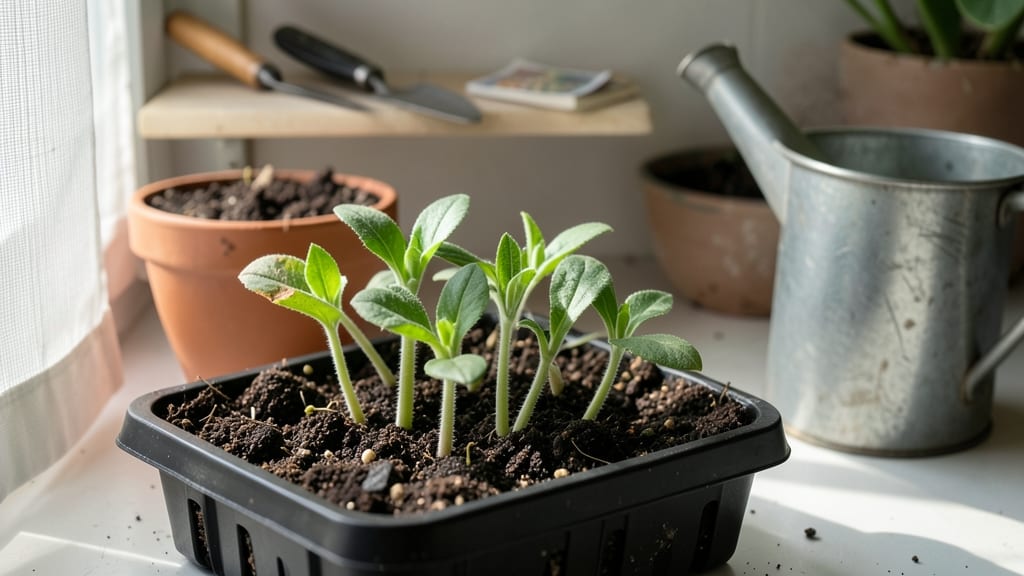
Zinnia seed sprouts appear faster when you start with warm soil and just the right moisture—trust me, I’ve turned weeks-long waits into 10-day blooms by tweaking these simple steps.
The key isn’t fancy equipment but matching your seeds to their ideal conditions: a cozy 70°F soil nest, barely damp paper towels for pre-sprouting, and a bright windowsill or grow light.
Most gardeners overwater or bury seeds too deep, which is why so many give up before the first green tip breaks through.
Here’s the game-changer: soak your seeds overnight in a damp paper towel, then plant them just ¼-inch deep in light, crumbly seed-starting mix. Too deep, and they’ll rot; too shallow, and they’ll dry out.
Keep the soil consistently moist (not soggy) and place the tray under a grow light or in full sun—zinnias crave brightness from day one. Within 5-7 days, you’ll see those first tiny sprouts, and that’s when the real magic starts.
Watch those seedlings transform from wobbly stems to sturdy plants with bold green leaves in just two weeks.
The moment they develop their second set of true leaves, it’s time to transplant them into individual pots or your garden bed—hardening them off for a week first to toughen their skin.
By late spring, you’ll be pinching back the tips to encourage bushier growth, and before you know it, your garden will be bursting with zinnia blooms in every color imaginable.
This method works for both heirloom and hybrid zinnias, whether you’re growing in a sunny windowsill, greenhouse, or raised bed. The secret? Pay attention to the soil temperature and light levels—zinnias are forgiving but not patient. Once you master these basics, you’ll never buy zinnia seedlings again.
📚 In This Guide
- What you need
- Instructions
- Tips and common mistakes
- Wrapping up and next steps
What you need
- ● Zinnia seeds – Choose fast-growing varieties like Profusion or Benary’s Giant (1 packet, ~50-100 seeds).
- ● Seed-starting mix – A sterile, well-draining blend (1 small bag, ~1-2 cubic feet).
- ● Containers – Biodegradable pots, egg cartons, or seed trays (6-12 cells per container).
- ● Watering can or spray bottle – With a gentle mist setting to avoid disturbing seeds.
- ○ Plastic wrap or humidity dome – To retain moisture (optional but helpful for speeding germination).
- ● Grow lights or sunny windowsill – Zinnias need 6-8 hours of light daily (LED grow lights work great).
- ○ Fertilizer (optional but recommended) – A balanced, water-soluble fertilizer (5-10-5 ratio) for early growth.
- ● Small hand trowel or spoon – For planting seeds (¼ inch deep).
- ● Labels & markers – To track planting dates and varieties.
- ○ Heat mat (optional) – Speeds germination if temps dip below 60°F (70-75°F ideal).
- ● Transplanting tools – If moving seedlings outdoors later (small shovel, gloves).
Step-by-step instructions for germinating zinnia seeds quickly
Here’s how I jumpstart zinnia germination—no waiting weeks for those first true leaves.
Prep Seeds for Faster Germination
Zinnia seeds have a hard outer shell that slows sprouting. To speed things up, I soak them overnight in a bowl of lukewarm water. This softens the coating so moisture can penetrate faster. After 12 hours, drain and pat them dry with a paper towel—never let them sit in water beyond that, or they’ll rot.
While the seeds soak, fill your seed-starting containers with the seed-starting mix (never garden soil—it’s too dense). Moisten it until damp but not soggy, like a wrung-out sponge. Press the mix down lightly so the surface is firm enough to hold seeds in place without washing away.
Plant Seeds at the Right Depth and Spacing
Zinnia seeds are tiny but don’t bury them too deep—just ¼ inch below the soil surface. Use a toothpick to make small holes, then drop one seed per hole (crowding leads to weak, leggy seedlings). I tap the seed packet gently to release one seed at a time—planting too many in one hole wastes space and encourages competition.
Cover lightly with a sprinkle of additional mix, then mist the surface with water until evenly moist. Avoid heavy watering, which can bury seeds deeper than intended. Place the containers in a warm spot (70–75°F)—a seedling heat mat speeds germination by 3–5 days compared to room temperature.
Create Ideal Humidity and Light for Sprouting
Cover the containers with clear plastic wrap or a humidity dome to trap warmth and moisture. Check daily for condensation—if the wrap fogs up, the environment is perfect. Zinnia seeds typically sprout in 5–10 days, but warmth and humidity cut that time nearly in half.
As soon as you see green shoots, remove the cover immediately. Trapped humidity after germination invites damping-off, a fungal disease that collapses seedlings overnight. Move the containers to a bright, indirect light spot—no direct sun yet, as young seedlings burn easily. A south-facing window works, but if growth slows, supplement with a grow light kept 2–3 inches above the seedlings.
Thin Seedlings for Stronger Growth
Once seedlings develop first true leaves (the second set after the initial cotyledons), thin to the strongest plant per container. Use scissors to snip weak stems at soil level—pulling risks disturbing roots. This prevents overcrowding, which stresses plants and attracts pests.
After thinning, water gently at the base to avoid disturbing the remaining seedlings. Keep the soil consistently moist but never waterlogged—zinnias hate soggy roots. In 2–3 weeks, you’ll see bushy growth and the first signs of those signature zinnia blooms forming.
Tips & tricks for perfect zinnia seed sprouts
A few strategic adjustments can transform your zinnia germination from a slow wait into a quick success—here’s how to optimize each step for the fastest, healthiest sprouts.
The Soak Secret: The 12-hour soak in lukewarm water is non-negotiable for breaking zinnia seeds' tough outer shells, but timing matters. Use a bowl deep enough to fully submerge seeds without overflowing—partial submersion leaves shells intact. After draining, spread seeds on a clean paper towel in a single layer to dry completely. I’ve found that seeds dried on a mesh screen (like a colander) dry faster and stay separated, preventing clumping that can trap moisture and cause rot.
Container Preparation: The seed-starting mix should be moistened to the consistency of a wrung-out sponge, but never soggy. To test, squeeze a handful—water should drip out slowly, not pool. Press the mix firmly enough to create a stable surface for tiny seeds, but avoid compacting it so tightly that air circulation is restricted. I like using small plastic pots with drainage holes for individual seeds, as they create less competition for nutrients during early growth.
Temperature Consistency: Maintaining that 70–75°F range is critical, but not all homes provide this naturally. If your space runs cooler, place containers on a seedling heat mat set to 75°F—this can cut germination time by 3–5 days compared to room temperature alone. For warmer climates, position containers where they won’t exceed 80°F, as heat stress can delay sprouting. I’ve seen germination times drop from 10 days to just 5 days with consistent warmth.
Light Transition: The shift from humidity dome to bright indirect light is where many seedlings fail. As soon as you spot green shoots, remove the cover immediately—even 24 hours of trapped humidity can trigger damping-off. For indoor growing, place containers under a grow light on a 14-hour cycle (on during daylight hours) to simulate natural conditions. If using natural light, rotate containers daily so all seedlings receive even exposure, preventing lopsided growth toward the light source.
Pro Tips for Zinnia Seed Sprouts
- A few strategic adjustments can transform your zinnia germination from a slow wait into a quick success—here’s how to optimize each step for the fastest, healthiest sprouts.
- The Soak Secret: The 12-hour soak in lukewarm water is non-negotiable for breaking zinnia seeds' tough outer shells, but timing matters.
- Container Preparation: The seed-starting mix should be moistened to the consistency of a wrung-out sponge, but never soggy.
Frequently asked questions
Got questions about growing zinnia seed sprouts? You’re not alone! Here are some of the most common queries—and their quick, practical answers—to help you get those vibrant blooms sprouting in no time.
How long do zinnia seeds take to sprout?
With the right conditions (warmth, moisture, and light), zinnia seeds typically sprout in 5–14 days. If you’re using pre-soaked seeds or a heat mat, you might see tiny sprouts in just 3–7 days. Patience is key—don’t give up if they take a little longer!
Why aren’t my zinnia seeds sprouting?
Seeds often fail to sprout due to cold soil (zinnias love warmth!), dry conditions, or old seeds. Try these fixes:
- Use a heat mat or place trays near a sunny window.
- Keep soil consistently moist (not soggy).
- Test seed viability by soaking a few in water—if they sink, they’re likely still good.
Can I speed up germination with any tricks?
Try these proven shortcuts:
- Soak seeds overnight in water to kickstart hydration.
- Use a paper towel method: Moisten a towel, wrap seeds inside, and place in a warm, dark spot until sprouts appear (2–3 days).
- Apply a light mist of hydrogen peroxide (3%) to sterilize and boost growth.
Should I transplant zinnia sprouts right away, or wait?
Hold off on transplanting until sprouts have 2–3 true leaves (not just the initial seed leaves). This usually takes 2–3 weeks after germination. Harden them off by placing trays outside for 1–2 hours daily before moving to the garden.
What’s the best alternative if zinnia seeds won’t sprout?
If zinnia seeds keep failing, try these fast-growing, low-maintenance alternatives:
- Marigolds (sprout in 5–10 days, repel pests).
- Sunflowers (germinate in 7–14 days, great for beginners).
- Cosmos (self-seeds easily, drought-tolerant).
Or opt for zinnia seedlings from a nursery for instant blooms!
Wrapping up and next steps
Growing zinnia seed sprouts doesn’t have to be a slow wait—with the right tricks, you’ll have vibrant blooms in just weeks! 🌸 From pre-soaking seeds to optimizing light and warmth, these speed-germination tips ensure faster, healthier growth.
Whether you’re a beginner or a seasoned gardener, your garden is ready to burst with color.
Now that you’re armed with proven techniques, it’s time to roll up your sleeves and start planting! Grab your supplies, follow the steps, and watch those zinnia sprouts pop up like magic. Happy gardening—your future blooms are waiting! 🌱